When it comes to office furniture, a common question arises: "Why are ergonomic chairs so expensive?" This question often perplexes consumers seeking comfort and support. Renowned ergonomic expert Dr. Jane Smith states, "Investing in a high-quality ergonomic chair is essential for long-term health benefits." Her insights illuminate why these chairs demand higher prices.
Ergonomic chairs are designed to promote proper posture and reduce strain. This involves advanced materials and engineering. For instance, many models feature adjustable lumbar support, premium cushioning, and durable fabrics. These components enhance usability and longevity, making them worthwhile investments. However, the price can lead to skepticism.
Many individuals wonder if the cost is justified. Some non-professional chairs seem adequate, yet they might not offer the needed support. A cheap chair may lead to discomfort or even injury over time. Therefore, reflecting on the importance of investing in quality is vital. Ergonomic chairs might be more expensive, but their health benefits often outweigh the initial costs.
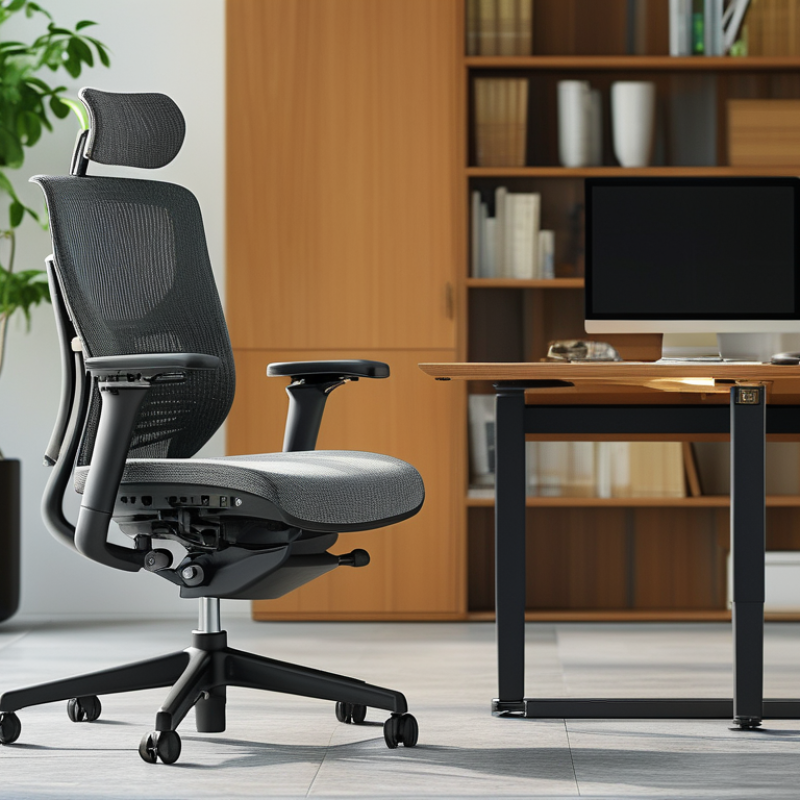
Key Characteristics of Ergonomic Chairs That Drive Costs
The cost of ergonomic chairs can be surprising. A few key characteristics contribute to this higher price. Quality materials play a significant role. High-density foam and durable fabrics ensure longevity and comfort. These materials provide excellent support for extended use.
Another factor is the advanced design. Ergonomic chairs are crafted to support posture and reduce strain. This involves adjustable components like lumbar support, armrests, and seat height. The precision in these adjustments requires careful engineering and testing.
Investing in an ergonomic chair can lead to improved health. Consider your needs before purchasing. A chair should fit your body and work style. Test it out for comfort. Remember, a good chair can enhance productivity.
The manufacturing process also adds to the expense. Many ergonomic chairs are produced in smaller quantities. This limits economies of scale. The attention to detail during production enhances quality but increases cost. Quality controls are essential. They ensure each chair meets rigorous standards.
Reflect on your daily habits. Are you sitting for long periods? If so, a quality chair is more than a luxury; it becomes a necessity. Good posture can prevent future health issues, making the investment worthwhile.
Advanced Materials and Their Impact on Ergonomic Chair Pricing
When it comes to ergonomic chairs, advanced materials play a crucial role in their pricing. Manufacturers often use high-quality components, like breathable mesh and durable foam. These materials provide better support and comfort, encouraging longer use without fatigue. However, this does come at a price. High-performance fabrics can significantly increase production costs, and that cost is passed on to the consumer.
Another factor is the technology behind these materials. Some ergonomic chairs feature adaptive features, such as adjustable lumbar support and temperature regulation. These innovations require research and development, which also adds to the price. While you may pay more initially, these chairs can enhance your productivity and well-being in the long run.
Choosing the right ergonomic chair is about finding a balance. Look for durability without compromising on comfort. Consider trying multiple chairs to determine which materials suit you best. Always keep your body in mind, as not every advanced feature benefits every individual. Investing in quality might feel like a stretch, but think about the long-term value for your health and productivity.
Research and Development Costs Behind Ergonomic Chair Design
Ergonomic chairs are often seen as a significant investment. One of the primary reasons for their high price is the intensive research and development behind their designs. Designers and engineers study human anatomy and the mechanics of sitting to create products that enhance comfort and reduce health risks. This meticulous process involves numerous prototypes and trials, ensuring that each chair is fine-tuned for optimal performance.
The materials used in making ergonomic chairs also contribute to their cost. High-quality foams, breathable fabrics, and durable bases are essential for longevity and comfort. The selection of eco-friendly materials adds another layer of expense. Manufacturing processes are tailored to maintain strict quality control, further driving up costs. Consequently, while these chairs can be pricey, the investment often pays off in terms of improved health and productivity.
While the research and material choices are crucial, some designs may not fit all body types perfectly. A user may still experience discomfort despite the advanced design. This highlights the need for users to find a chair tailored to their specific needs. A one-size-fits-all solution is seldom achievable, and manufacturers must consider diverse user experiences in their R&D efforts. The challenge lies in balancing innovation with inclusivity in ergonomic chair design.
Manufacturing Techniques and Their Influence on Chair Prices
When considering ergonomic chairs, the manufacturing techniques play a significant role in their pricing. High-quality materials often drive up costs. For example, durable fabrics and sturdy metal frames are commonly used to ensure longevity. These materials are not cheap, and they require skilled labor to construct properly.
The design process itself is complex. Engineers and designers must collaborate to create a chair that promotes good posture and comfort. This often involves advanced technology and extensive testing phases. Moreover, some manufacturers use innovative methods, such as 3D printing, which can be expensive but results in more precise and customizable products.
Inconsistencies in production may also arise. Not every chair will be identical, leading to variations in price. This unpredictability can make it hard to assess value. Customers may hesitate due to this uncertainty. Investing in a chair requires careful thought, considering both comfort and craftsmanship.
Why Are Ergonomic Chairs So Expensive? 5 Key Factors Explained
Brand Reputation and Market Demand for Ergonomic Chairs
The market demand for ergonomic chairs has surged in recent years. A study by the Global Ergonomics Market report predicts a compound annual growth rate of 11.2% from 2021 to 2028. This increasing interest is largely driven by a growing awareness of the importance of workplace comfort. Employees are seeking furniture that supports their health and productivity.
Brand reputation plays a significant role in pricing. Established brands often invest heavily in research and development. They create chairs designed for long-term comfort and support. According to research from the American Chiropractic Association, ergonomic chairs can reduce the risk of musculoskeletal disorders. This health benefit enhances brand value. As a result, these companies can charge more due to their perceived quality.
However, the price tag can be a barrier for many consumers. Some cheaper alternatives lack the necessary features, ultimately affecting their long-term comfort and effectiveness. Not all ergonomic chairs are created equal, and buyers may find themselves in a dilemma. Investing in a high-quality chair is essential, yet not everyone can afford it. This disparity prompts reflection on how to balance cost with quality in ergonomic choices.
Why Are Ergonomic Chairs So Expensive? 5 Key Factors Explained
| Factor |
Description |
Impact on Price |
| Material Quality |
High-quality materials such as breathable fabrics and durable frames. |
Higher quality leads to increased production costs. |
| Design Research |
Investment in ergonomic design research to enhance comfort and support. |
Research costs add to overall product pricing. |
| Manufacturing Techniques |
Advanced manufacturing processes that ensure durability and ergonomics. |
State-of-the-art processes can be costly, impacting final cost. |
| Brand Reputation |
Brands with a solid reputation often charge more for their products. |
Consumers may pay a premium for perceived quality. |
| Market Demand |
High demand for ergonomic solutions boosts price competitiveness. |
Increased demand can lead to price increases. |
FAQS
: High-quality materials and advanced design significantly increase ergonomic chair prices.
Breathable mesh and durable foam enhance support, allowing longer use without fatigue.
Smaller production runs limit economies of scale, which raises costs for consumers.
They typically have adjustable lumbar support, armrests, and seat height for personalized comfort.
Skilled labor and complex design require precision, which can drive up the price of ergonomic chairs.
Yes, a good chair can promote better posture and health, enhancing productivity in the long run.
Not every chair features will suit every individual; personal comfort should guide your choice.
Innovations like adjustable features and temperature regulation increase research and production costs.
They can become a necessity, as proper seating prevents future health issues.
Variations in chair quality can create uncertainty in value, making careful consideration essential.
Conclusion
When considering "Why are ergonomic chairs so expensive?", several key factors contribute to their pricing. First, ergonomic chairs are designed with advanced features that prioritize user comfort and support, which often involves sophisticated manufacturing techniques. These characteristics not only enhance productivity but also reduce the risk of injury, justifying their higher cost.
Moreover, the use of advanced materials, such as high-quality foams and breathable fabrics, significantly impacts chair pricing. The investment in research and development is another crucial factor, as manufacturers spend considerable resources to innovate and improve ergonomic designs. Lastly, brand reputation and market demand play vital roles in setting prices, as established brands often command a premium for their recognized quality and expertise in ergonomic solutions. Overall, these elements collectively explain the elevated cost of ergonomic chairs in today's market.

 Govind Sofa