The question, "Why are ergonomic chairs so expensive?" often sparks curiosity among consumers. Ergonomic chairs are designed for comfort and support, catering to the needs of both home and office environments. However, their high price tags can be puzzling.
Several key factors contribute to the cost of these chairs. First, the quality of materials plays a significant role. Higher-grade fabrics and durable frames increase manufacturing costs. Additionally, advanced design and engineering focus on optimal posture support. This expertise often requires specialized knowledge and experience, reflecting in the price.
Another element is the research and development behind these chairs. Creating a genuinely ergonomic product necessitates extensive testing to ensure its effectiveness. Many manufacturers invest in this process to guarantee customer satisfaction. Finally, brand reputation can also influence pricing. Well-established brands often command higher prices due to their perceived quality and reliability. Understanding these factors can shed light on the high costs associated with ergonomic chairs.
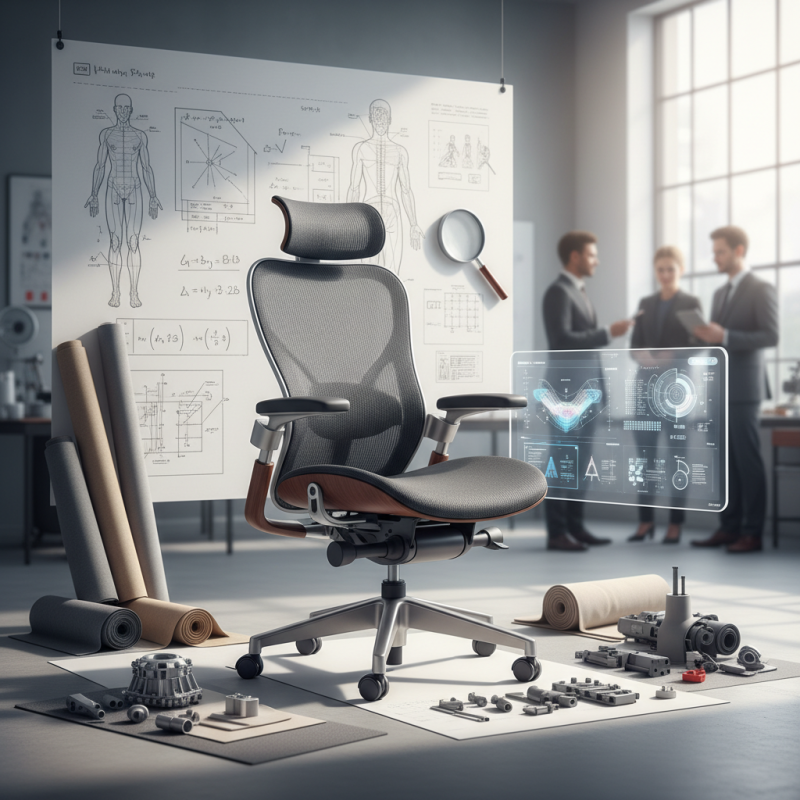
When considering ergonomic chairs, several factors contribute to their high price. One key element is the design process. Ergonomic chairs are crafted with extensive research on body mechanics and user comfort. Designers and engineers often collaborate to create products that promote health and reduce strain. This expertise in human anatomy adds significant value to the final product.
Another essential factor is the materials used. Premium ergonomic chairs often include durable fabrics and high-quality foam. These materials enhance comfort and longevity. Customers may notice that cheaper chairs lack this meticulous attention to quality. Additionally, adjustable features are vital. They allow users to customize their chairs to suit individual needs. Such flexibility often requires advanced engineering.
Production costs also play a role. Manufacturing ergonomic chairs can be complex and expensive. Skilled labor is often required for assembly, especially for unique designs. This complexity can result in higher retail prices. Therefore, the investment in an ergonomic chair reflects its potential for enhancing well-being, albeit at a higher upfront cost. However, one must reflect on whether the long-term benefits outweigh the initial expense.
When considering ergonomic chairs, one key aspect is the quality of materials used in their construction. Many high-end chairs employ premium components like breathable mesh, memory foam, and durable plastics. These materials not only enhance comfort but also ensure longevity. A chair crafted from quality materials can withstand daily wear and tear, making it a worthwhile investment for many.
However, not all ergonomic chairs are created equal. Some manufacturers cut corners by using cheaper materials that may not offer sufficient support. As a result, the durability and overall effectiveness of the chair can suffer. Investing in a chair made from high-quality components leads to better posture support and overall health benefits over time.
Material choice significantly affects the price. Chairs made from sustainable sources or advanced composites can be pricier. While some may argue that spending so much is unnecessary, others find the health benefits outweigh the cost. Reflecting on the importance of quality materials can help one make a more informed decision for comfort and health.
The ergonomic design of chairs is a crucial factor that contributes to their higher price. Companies invest significantly in research and development to create products that enhance comfort and support. Ergonomic chairs are crafted with advanced materials and unique structures. These innovations promote better posture and reduce the risk of musculoskeletal issues.
Furthermore, the design process often involves extensive testing and expert consultations. Designers analyze human anatomy to find the best adjustments for different body types. This meticulous approach can be time-consuming and requires specialized knowledge. Consequently, the costs associated with creating a truly ergonomic chair rise.
While the investment in R&D is necessary, it can sometimes feel excessive. Some argue that the price tags are hard to justify, especially for casual users. It's essential to balance quality and affordability. However, the long-term benefits of reducing discomfort and increasing productivity may validate the initial cost for many users.
The pricing of ergonomic chairs often reflects the brand's reputation. Well-established brands invest heavily in research and development. They create innovative designs that genuinely improve comfort and support. According to the “2023 Ergonomics Report,” brands with a solid reputation typically charge 20-30% more than lesser-known brands. This higher cost often stems from extensive testing and quality materials.
Consumers rely on brand reputation to gauge the effectiveness of ergonomic chairs. High-quality brands often provide warranties and customer support. This reliability creates a sense of security for buyers. A survey from the “Office Furniture Insights” study reveals that 75% of customers prefer well-known brands, associating them with durability and performance. However, not all expensive chairs guarantee comfort or durability. Some may offer flashy designs over genuine ergonomics.
**Tips:** Focus on the chair’s features rather than just the brand. Look for independent reviews to assess genuine user experience. Remember to try out chairs in-store when possible to ensure proper fit and comfort. A lesser-known brand might meet your needs without breaking the bank. Always consider ergonomics over aesthetics for long-term health benefits.
When considering the price of ergonomic chairs, manufacturing processes and labor costs play a crucial role. The production of these chairs involves advanced techniques and materials. Designing an ergonomic chair requires thorough research and testing to ensure comfort and support. This process often involves collaboration with experts in ergonomics and human physiology, adding to the cost.
Labor costs also significantly affect the final price. Skilled workers are needed to assemble and inspect each chair. They ensure that every component meets safety and quality standards. In some manufacturing facilities, this means higher wages and training for employees. These factors contribute to the overall expense, making ergonomic chairs appear costly.
Some manufacturers may cut corners to lower costs. This often leads to compromised quality and durability. However, investing in a chair that is built to last can lead to significant long-term savings. Many customers overlook the value of a well-made chair, focusing only on the initial price tag. Reflecting on this can change how we view the cost of ergonomic seating.
| Factor | Description | Estimated Cost Impact (%) |
|---|---|---|
| Material Quality | High-grade materials like mesh and leather increase comfort and durability. | 30% |
| Design Complexity | Innovative and customizable designs require advanced engineering. | 25% |
| Manufacturing Processes | Labor-intensive processes and precision equipment add to production costs. | 20% |
| Labor Costs | Skilled labor is essential for quality control and assembly. | 15% |
| Research and Development | Investment in R&D leads to better ergonomic solutions and technologies. | 10% |
: Design process, materials, adjustable features, and production costs all impact price.
They enhance comfort, longevity, and support. Cheap materials may lack these benefits.
Extensive research and collaboration in ergonomics increase design costs, adding value.
Yes, they allow personalization for comfort. Advanced engineering usually makes this possible.
Skilled labor is crucial for production and quality control, leading to higher costs.
Often not. They may compromise quality, leading to long-term discomfort and issues.
Advanced techniques and thorough testing add to the overall production expenses.
Yes, they contribute to durability and health benefits, making them a valuable investment.
Reflect on durability, material quality, and how they impact your overall health.
They often focus on upfront costs rather than long-term health benefits.
The question "Why are ergonomic chairs so expensive?" can be attributed to several key factors that significantly influence their pricing. Firstly, the quality of materials used in their construction plays a vital role; high-grade fabrics, durable frames, and advanced cushioning contribute to both comfort and longevity, which often comes at a higher cost. Secondly, substantial investment in research and development is essential for creating innovative designs that support proper posture and reduce strain during extended use.
Additionally, the reputation of the brand impacts pricing, as consumers often associate well-established brands with reliable quality and performance. Lastly, manufacturing processes and labor costs must be considered, as meticulous craftsmanship and compliance with ergonomic standards can drive up production expenses. Ultimately, these factors combined explain the premium price tag often seen on ergonomic chairs, reflecting their value in promoting health and productivity in the workplace.

Govind Sofa