As we dive into 2023, the question on many homeowners' minds is, "What sofa colors are trending this year?" Color trends can significantly impact the ambiance and style of a living space. Industry reports indicate that colors like terracotta, deep greens, and soft blues are gaining popularity due to their warm, inviting qualities. According to a recent study by the American Society of Interior Designers, nearly 68% of designers now prioritize color selection for enhancing room feel.
Consumers are looking for comfort and personality in their furniture choices. Research shows that 57% of buyers consider color the top reason for choosing a specific sofa. However, the challenge lies in balancing bold hues with existing decor. While vibrant colors can invigorate a space, they may not suit every style or preference, which requires careful consideration.
Design trends reflect broader lifestyle changes. Many people are now favoring sustainable and timeless designs over fleeting trends. The rise of earthy tones links to a growing desire for connection with nature. Therefore, while trends are noteworthy, personal taste remains vital in choosing the right sofa color. Understanding the current landscape can help homeowners make informed design decisions.
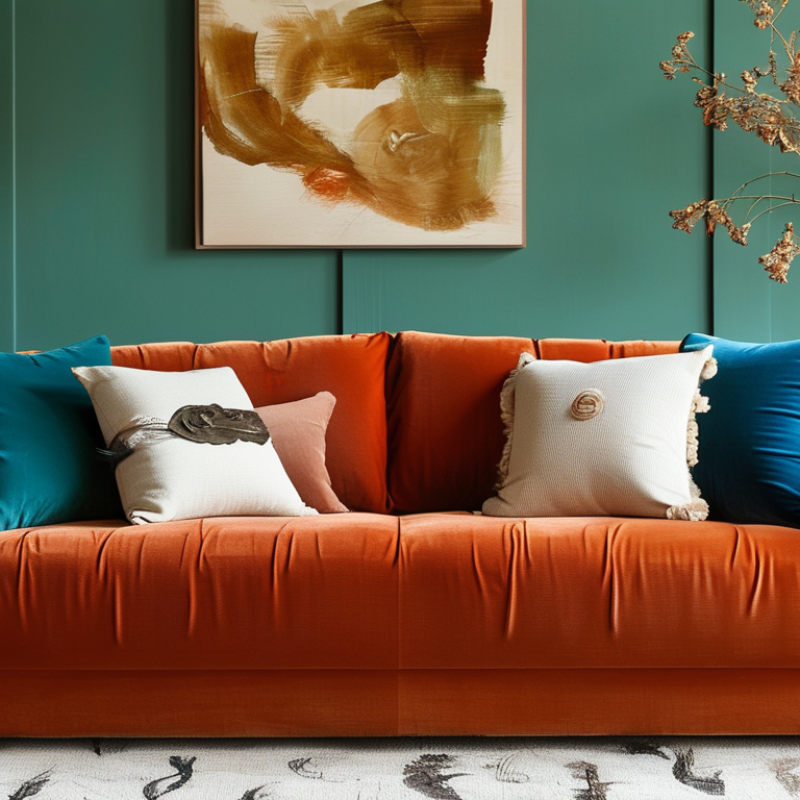
Sofa color trends play a crucial role in interior design. Colors can influence mood and style, impacting how spaces feel. According to the 2023 Color Trends Report by the Pantone Color Institute, warm neutrals and earthy tones are key this year. These colors create a calm atmosphere, offering comfort and serenity. In a world filled with chaos, this is increasingly significant.
Surveys indicate that 75% of homeowners consider color when selecting furniture. Sofas, being central to living spaces, affect overall design. A striking shade can serve as a statement piece, while subtle hues blend seamlessly. However, color choices can reflect fleeting fads rather than personal style. This may lead to buyer’s remorse as trends shift.
Moreover, certain colors often evoke specific emotions. For example, yellow can stimulate creativity, while blue promotes calmness. It’s crucial for designers to seek balance between trending colors and the individual’s taste. Many choose popular shades only to realize they clash with their existing decor or personal style. Awareness of current trends is helpful but should not overshadow the importance of individual preferences in home design.
When choosing a sofa, classic colors remain a reliable choice. Neutral shades like beige, gray, and cream continue to dominate in the market. According to a recent survey by the American Home Furnishings Alliance, 54% of consumers prefer timeless colors for their living spaces. These hues blend seamlessly with various decor styles, making them versatile options for homeowners.
Deep navy and forest green are also gaining traction. These colors offer a sophisticated touch and work well in both modern and traditional homes. A study by the International Color Authority highlights that darker tones can evoke a sense of calm and security. However, embracing such popular choices may inadvertently lead to a lack of individuality in home decor.
While classic colors provide stability, they might feel too safe for some. It is essential to reflect on how personal style influences color choices. Choosing a timeless hue doesn't mean sacrificing character. A pop of color in accessories or art can create a vibrant contrast, giving depth to the overall ambiance. Balancing classic tones with personal flair is the key to a well-designed space.
Bright colors have taken center stage in interior design this year. According to the 2022 Interior Design Trends report, the demand for vibrant hues in home decor increased by 35% compared to previous years. Bold shades like teal, mustard yellow, and deep crimson are trending. These colors not only enhance aesthetics but also evoke emotions and energize spaces.
Choosing vibrant colors for sofas can be both exciting and daunting. A striking fuchsia sofa can become the focal point of a room, drawing attention instantly. However, pairing such bold colors requires careful consideration of complementary hues. The right balance can uplift a space, while a mismatch can feel overwhelming. Color psychology plays a significant role here. Bright colors are known to stimulate creativity and joy, making them ideal for lively living areas.
Yet, it’s essential to know the impact of personal taste on trends. The rise of bright colors does not mean they suit everyone. Homeowners must reflect on their lifestyle and preferences. What looks fantastic in magazines may not feel comfortable in your home. Creating a harmonious space involves trial and error, as preferences can shift once a bold choice is made.
Soft neutrals have taken center stage in interior design this year. These gentle shades create a serene atmosphere, perfect for relaxation. The beauty of soft neutrals lies in their versatility. They blend easily with various decor styles and colors. Imagine a living room bathed in light beige or soft taupe. These hues evoke a sense of calm.
Adding soft neutral sofas can transform your space. Textured fabrics in these colors enhance comfort. They invite you to sink in and unwind. However, balancing these shades requires thought. Too much neutrality can feel bland. Compensate with vibrant accents. Choose bold throw pillows or a lively rug. This contrast brings life to serene spaces.
Accent decor plays a significant role in elevating soft neutral themes. Wood elements, like a coffee table, add warmth. A few plants can introduce freshness. Remember, achieving the perfect balance is a learning process. You might try various combinations until you find what feels right. Embrace the imperfections; they are part of the journey.
| Color | Description | Mood | Complementary Colors |
|---|---|---|---|
| Soft Beige | A warm, inviting color that enhances natural light. | Calm and Cozy | White, Sage Green |
| Pale Gray | A versatile neutral that pairs well with many styles. | Relaxed and Modern | Charcoal, Blush Pink |
| Muted Taupe | A sophisticated tone that offers depth without overwhelming. | Elegant and Serene | Cream, Dusty Blue |
| Soft Ivory | A classic choice that brings a fresh and airy feel. | Bright and Cheerful | Light Gray, Seafoam Green |
| Powder Blue | A soft blue that evokes tranquility and peace. | Calming and Refreshing | White, Soft Yellow |
| Blush Pink | A gentle hue that adds warmth and modernity. | Romantic and Cozy | Gray, Cream |
| Sage Green | A muted green that connects with nature. | Organic and Fresh | Beige, Soft White |
| Dusty Rose | A trendy shade that adds a modern touch to spaces. | Warm and Inviting | Cream, Pale Gray |
| Muted Lavender | A soft pastel with a calming effect. | Soothing and Soft | White, Light Gray |
| Warm Sand | A cozy tone that creates a grounded atmosphere. | Comfortable and Relaxed | Earthy Browns, Cream |
The world of interior design in 2023 is vibrant and daring, embracing eclectic color choices that challenge traditional norms. Reports from the International Color Authority indicate that bold hues, such as deep teal and burnt orange, are making significant waves this year. These colors evoke a sense of warmth and personality, inviting homeowners to express their individuality.
Many designers suggest that mixing unique colors can create a captivating focal point in any space. For example, pairing a rich mustard yellow sofa with cool gray walls can add dimension and character. It’s a departure from safe neutrals, encouraging creativity. Yet, this boldness can be intimidating. Choosing colors that resonate with personal taste while considering the room’s lighting is crucial.
Embrace the challenge of crafting an eclectic space; it’s a reflection of your unique style.
: Sofa color influences mood and style, affecting how spaces feel overall.
Warm neutrals and earthy tones are trending this year, creating calm atmospheres.
Many homeowners regret choosing trendy colors that don’t match their personal style.
Yellow stimulates creativity, while blue promotes calmness. Color choice matters.
Yes, bold colors like teal and mustard yellow can energize spaces, creating a focal point.
Pairing vibrant colors requires careful thought to avoid overwhelming mismatches in decor.
Eclectic colors like deep teal and burnt orange invite individuality and creativity in homes.
Definitely; what works in magazines may not feel comfortable in your own space.
Test paint swatches against your sofa to discover unexpected harmonies and contrasts.
Too many bold shades can overwhelm; incorporate accent pieces for a harmonious look.
This year, sofa color trends are playing a significant role in interior design, with various shades catering to diverse tastes and styles. What sofa colors are trending this year? Classic options remain a staple, providing timeless appeal to any space. Meanwhile, bold and vibrant hues are gaining traction, making striking statements in modern homes. Soft neutrals are also prominent, offering a calming influence that fosters tranquility in interiors. Additionally, eclectic choices are emerging, as unique colors begin to make waves in design trends, allowing individuals to express their personalities through their furniture selections. Overall, these trends reflect a dynamic interplay between tradition and innovation in the world of home decor.

Govind Sofa