Choosing the right sofa filling is crucial for durability. Many homeowners ask, "Which sofa filling lasts the longest without deforming?" Understanding this helps make informed decisions. According to a 2022 industry report by the Furniture Research Institute, sofas filled with high-density foam can retain their shape up to 10 years.
Natural fillings like down offer comfort but may compress over time. Even with proper care, feather-filled cushions can lose their fluffiness within a few years. This is critical for anyone looking for long-term investment. Furthermore, synthetic options such as polyester or memory foam provide varying levels of firmness and resilience. They cater to different preferences, but long-lasting performance remains a key focus.
Interestingly, many consumers overlook the significance of maintenance. Regular fluffing and cleaning can extend the life of your sofa filling. Some choose aesthetics over longevity, which can lead to regrets. Investing in quality sofa fillings pays off, as it balances comfort and resilience over the years. Understanding your options can lead to a better living space and less frequent replacements.
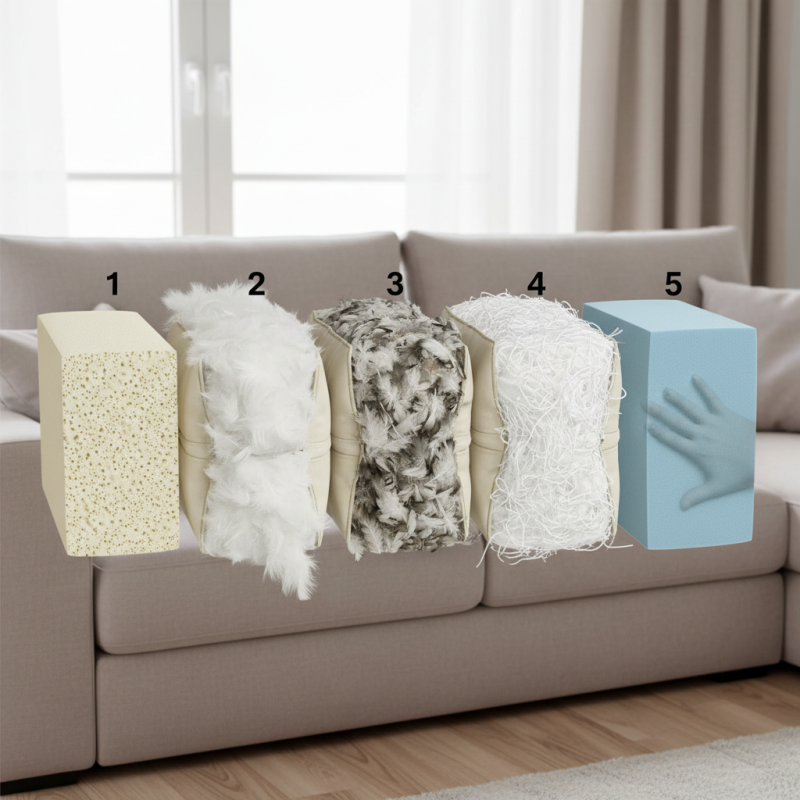
When selecting sofa fillings, several crucial factors can influence durability and comfort. One primary consideration is the type of material used.
Foam, for instance, offers excellent support but may degrade over time. According to industry reports, high-density foam can retain its shape longer. However, it is essential to note that lower-quality foam may break down in just a few years.
Another critical factor is the sofa's structure. A well-constructed frame can prevent fillings from shifting or deteriorating.
Solid wood frames tend to provide better support than particle board. Additionally, the density of the filling plays a significant role.
Higher density materials resist deformation, ensuring that your sofa maintains its comfort and shape.
Lastly, maintenance should not be overlooked. Regular cleaning and fluffing can prolong the lifespan of your sofa fillings.
Neglecting these tasks may lead to accelerated wear and tear. Research indicates that proper care can enhance the longevity of sofa fillings by up to 30%. Selecting the right combination of materials, structure, and maintenance practices is vital for a long-lasting sofa experience.
High-density foam is a popular choice for sofa fillings due to its ability to maintain shape over time. Unlike lower density options, this material resists sagging and deformation. It offers exceptional support for users. The comfort level remains consistent, providing a stable seating experience.
Choosing high-density foam means investing in durability. Sofas filled with this material often last for years without noticeable wear. The structure holds up well under regular use. Additionally, high-density foam adapts to body contours. This feature enhances overall comfort while promoting better posture.
However, not all high-density foam is created equal. Some low-quality variants may still compress over time. It is important to assess the foam's resilience before making a purchase. Feel free to test the sofa in-store, looking for firmness and support. Doing this can lead to a more informed decision. Selecting the right filling can result in a significant difference in long-term comfort.
When exploring natural sofa fillings, down and wool stand out. Both materials offer unique benefits and contribute to the longevity of your furniture. Down is soft and luxurious, creating a plush seating experience. However, it can compress over time, losing its shape. Wool, on the other hand, is resilient and provides firm support. It resists deformation better than many synthetic options.
Tip: Regularly fluff and rotate your cushions. This simple practice can help maintain their structure. It redistributes the filling and prevents excessive wear. Consider combining these two materials for a balanced experience. A mixture allows you to enjoy the softness of down and the durability of wool.
One downside of natural fillings is their maintenance. Down may require professional cleaning, while wool can be more resistant to stains. Think about your lifestyle when choosing between them. A busy household may benefit from the durability of wool. Yet, a cozy, intimate setting might thrive with the indulgence of down. Ultimately, the choice depends on your needs and preferences.
When it comes to sofa fillings, synthetic materials play a crucial role in both durability and comfort. Many consumers prefer polyfoam due to its resilience. According to industry reports, high-density polyfoam maintains its shape better than traditional materials. With proper care, it can last up to eight years without significant deformation. This longevity is especially appealing in busy households.
Another synthetic option is polyester fiber. It offers softness and retains its loft over time. A study published in "Furniture Today" suggests that sofas filled with polyester can endure rigorous daily use while retaining their comfort. This makes them suitable for families and pet owners. However, they may require regular fluffing to maintain appearance.
Despite the advantages, synthetic fillings have their drawbacks. They may lack breathability compared to natural materials. Some users notice overheating during prolonged sitting. Furthermore, not all synthetics are created equal. Lower-quality options can break down faster. Consumers should prioritize high-quality synthetic derivatives for lasting comfort and durability.
| Filling Type | Durability (Years) | Comfort Level | Deformation Resistance | Maintenance |
|---|---|---|---|---|
| High-Density Foam | 10-15 | Excellent | High | Low |
| Memory Foam | 8-12 | Very Good | Medium | Medium |
| Synthetic Fiber (Hollow) | 5-10 | Good | Low | High |
| Latex Foam | 15-20 | Excellent | Very High | Low |
| Polyester Fiber | 4-8 | Good | Low | Medium |
When choosing sofa fillings, longevity is a key concern. A comparative analysis of various materials reveals significant differences in lifespan and performance. Natural latex, for instance, tends to last over 10 years without deformation. Reports show it retains its shape effectively, making it a popular choice for those seeking durability.
In contrast, traditional foam fillings have a lifespan of around 5 to 7 years. While they provide great comfort initially, they may sag quicker, especially under heavy use. Celliant foam, a newer option, offers better resilience and can last up to 8 years. However, it often requires careful maintenance to maximize its lifespan.
Down and feather fillings offer luxury and comfort but come with challenges. They can compress and lose shape within a few years. Despite regular fluffing, they may require replacement sooner than synthetic alternatives. The right filling depends on personal needs and preferences, requiring thoughtful consideration of durability versus comfort. Balancing these factors can lead to a sofa that serves well for years.
: High-density foam is known for maintaining shape and resisting sagging, providing long-lasting support and comfort.
This foam adjusts to body contours, enhancing comfort and promoting better posture while sitting.
High-density polyfoam can last up to eight years without significant deformity if properly maintained.
Polyester fiber is soft, retains its loft, and can endure daily use while maintaining comfort.
They may lack breathability and cause overheating during prolonged sitting, affecting comfort levels.
Natural latex lasts over 10 years, while traditional foam typically lasts around 5 to 7 years before sagging occurs.
Down and feather fillings can compress and lose shape within a few years, requiring more frequent replacement.
Evaluate durability and comfort, test the firmness, and consider your lifestyle needs for the best choice.
Yes, lower-quality foam variants may compress faster, leading to a decline in support and comfort.
Assessing resilience ensures you make an informed decision, leading to long-term comfort and satisfaction.
When considering the longevity and durability of sofa fillings, several factors come into play, including comfort, support, and material properties. Those seeking to answer the question, "Which sofa filling lasts the longest without deforming?" should focus on high-density foam, which offers excellent support and maintains its shape over time. Additionally, natural fillings such as down and wool provide a luxurious feel while also being relatively resilient.
Synthetic materials can also play a crucial role in enhancing both comfort and durability, particularly when blended with natural fillers. A comparative analysis reveals that each filling type has its own lifespan, with high-density foam and certain synthetic blends leading the pack for lasting performance. Ultimately, understanding these options allows consumers to make informed decisions when selecting a sofa that will withstand the test of time without succumbing to deformation.

Govind Sofa