When choosing a sofa, quality makes all the difference. A high-quality sofa provides comfort and durability. But how do you determine quality? “How to tell if a sofa is high quality?” is a common question. Expert interior designer, Jane Doe, emphasizes that, “The right sofa is an investment that pays off for years.”
To understand sofa quality, look beyond the surface. High-density foam cushions hold their shape longer. Solid wood frames provide stability and durability. Details like stitching and fabric quality tell a story. Not all brands focus on these essentials. Many prioritize appearance over craftsmanship, leading to disappointment.
In a market filled with options, knowing what to look for is vital. It not only saves you money but also time. A high-quality sofa enhances your living space for years. By being informed, you can make the best choice for your home.
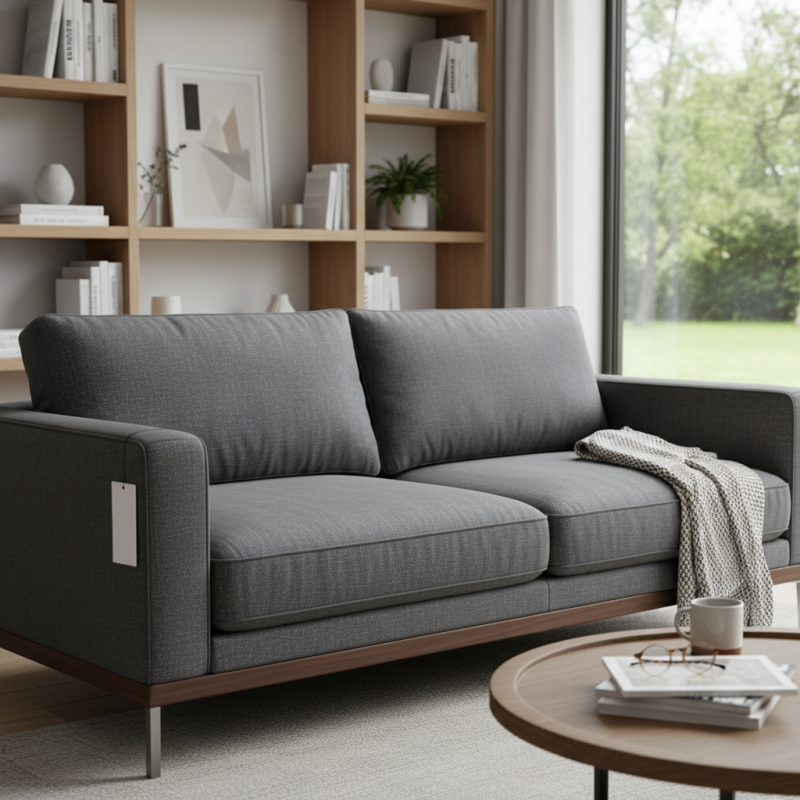
When choosing a high-quality sofa, the materials used are crucial. Look for durable fabrics like leather or tightly woven upholstery. These materials can withstand wear and tear while maintaining their beauty. Consider natural fibers like cotton or wool for comfort. They add a touch of style and are easier to clean.
Tips: Check for fabric samples. Feel the texture with your hands. This ensures it meets your comfort standards. Invest in a sofa that can hold up over time. Avoid synthetic materials that may look good but wear out quickly.
Also, examine the sofa's frame. Solid wood frames provide strong support. They are more reliable than particleboard or metal. A good frame enhances the sofa's lifespan. Pay attention to the foam density used in cushions. High-density foam offers better support and doesn’t sag easily.
Tips: Test the cushions by sitting down. Notice how they adapt to your weight. Look for sofas with removable covers. This feature simplifies cleaning and maintenance. Consider these details to ensure you choose a quality sofa.
| Feature | Description |
|---|---|
| Frame Material | Solid hardwoods, such as oak or maple, offer durability and strength. |
| Comfort | High-density foam cushions provide better support and comfort over time. |
| Upholstery | Natural fabrics like cotton or linen are breathable and durable. |
| Sofa Legs | Sturdy materials such as wood or metal ensure stability and support. |
| Construction | Joinery techniques like mortise-and-tenon joints provide better longevity. |
| Cushion Filling | Down or a down-blend filling offers a luxurious feel and softness. |
| Warranty | A good warranty indicates confidence in the product's quality and craftsmanship. |
When assessing sofa quality, the frame construction is crucial. A solid frame significantly enhances durability and stability. Most experts recommend hardwood frames, such as oak or beech, which offer strength. According to industry research, solid wood frames last up to 10 years longer than particleboard options. This makes them a reliable choice for long-term use.
Joinery methods also matter. A well-constructed frame often utilizes mortise and tenon joints. This technique ensures that the sofa can withstand daily use without weakening. The Furniture Retailer's Association reports that sofas with superior joinery demonstrate 30% less wear and tear over time compared to glued or stapled frames.
Beyond materials, consider the overall design. Even solid wood frames need proper support to prevent sagging. A good sofa should have a supportive base and reinforced corners. Many high-quality options include cross-bracing or corner blocks for added stability. Investing in a better construction often eliminates the need for frequent replacements, saving money in the long run. However, finding the perfect balance between comfort, style, and sturdiness can sometimes lead to trade-offs.
When evaluating sofa cushions, pay close attention to density and fill types. Higher-density foam typically lasts longer and offers better support. According to industry reports, cushion densities of 1.8 to 2.5 pounds per cubic foot are ideal for durability and comfort. Sofas with lower densities may sag quickly, leading to discomfort.
Choose your fill type carefully. Polyurethane foam is common, but natural fills like down or latex provide a different feel. Down cushions offer softness, but may require more maintenance. In contrast, latex fills provide resilience and support. Reports indicate that latex cushions can last years longer than traditional foam options.
Tip: Test the cushions in-store. Sit and shift your weight through various positions. Observe how quickly they bounce back. Remember that aesthetics aren't everything; comfort and longevity must lead your choice.
Be aware that some cushions might feel good initially but falter soon after. Inspect for any long-term warranties, indicating manufacturer confidence. This can be a red flag if not offered.
When considering a high-quality sofa, upholstery plays a crucial role. The fabric choice affects both its appearance and durability. Common materials include leather, microfiber, and various blends. Each offers unique benefits but requires different care methods. For instance, leather is elegant but must be conditioned regularly. Microfiber is stain-resistant, but it can attract dust.
Tips: Always check the care label before making a purchase. Some fabrics may be machine washable, while others require professional cleaning. Regular vacuuming can extend the life of your sofa. Think about your lifestyle. Do you have pets or children? Choose fabrics that can withstand wear and tear.
Maintenance is key to keeping your furniture looking new. Even high-quality fabrics can fade over time due to sunlight. Rotate cushions to avoid uneven wear. Spot clean spills immediately to prevent stains. Remember, even the best upholstery needs attention. Selecting a fabric is just the first step; proper care will ensure your investment lasts.
In 2026, the fusion of style and functionality in sofa design is more important than ever. Consumers prioritize practicality alongside aesthetics. Reports indicate that 75% of buyers seek versatile furniture that fits multifunctional spaces. As urban living increases, the need for adaptable sofas is on the rise. For instance, modular designs allow for easy reconfiguration based on space and usage, making them ideal for modern homes.
Material choice also plays a crucial role. Sustainable fabrics are not just a trend; they are now a requirement for many consumers. Designers are focusing on eco-friendly materials that are both stylish and durable. Approximately 65% of consumers reported they would pay more for sustainable options. However, balancing durability with style can be challenging. Shiny, faux-leather alternatives may look appealing but often lack longevity.
Additionally, technology integration in sofas is becoming more prominent. Features like built-in charging ports and adjustable components appeal to tech-savvy buyers. Nonetheless, this innovation often raises concerns about complexity and repairability. A sofa should enhance comfort, not create frustration. As we advance, finding the sweet spot between modern features and user-friendly designs will remain a key challenge for manufacturers.
: Upholstery affects the appearance and durability of a sofa. Fabric choice plays a crucial role.
Common materials include leather, microfiber, and various blends. Each material has unique benefits and care needs.
Regular vacuuming extends its life. Spot clean spills immediately and rotate cushions to prevent uneven wear.
Consider your lifestyle. If you have pets or children, select fabrics that can withstand wear and tear.
Design trends focus on merging style with functionality. Versatile and modular designs are on the rise.
Yes, sustainable fabrics are increasingly required by consumers. Many are willing to pay more for eco-friendly options.
Technology integration, like charging ports, is becoming more common. However, it can raise issues regarding complexity.
Not all fabrics are machine washable. Always check the care label for proper cleaning methods.
Yes, even high-quality fabrics can fade due to sunlight exposure. Maintenance is necessary to keep them looking new.
Yes, achieving both style and durability can be difficult. Some appealing materials may lack long-lasting quality.
When considering how to tell if a sofa is high quality, it's essential to focus on several key aspects. First, examine the materials used; high-quality sofas often feature durable fabrics and sturdy frames made from hardwoods. Understanding the construction of the sofa frame is crucial for ensuring its longevity and stability. Additionally, pay attention to the cushions—higher density foam and quality fill types contribute to better comfort and lifespan.
Furthermore, the upholstery plays a significant role in both appearance and maintenance; breathable, resilient fabrics often indicate a premium product. As design trends evolve, the fusion of style and functionality in sofas for 2026 emphasizes innovative designs while maintaining comfort. By evaluating these aspects, you can confidently assess the quality of a sofa, ensuring a smart investment for your space.

Govind Sofa