Top 10 Reasons Why Faux Leather Sofas Peel Over Time?

Time:2026-06-19 Author:Charlotte
0%

Faux leather sofas have gained popularity for their affordability and stylish appearance. However, many homeowners face a common issue: peeling. According to Dr. Emily Hart, a materials science expert, "The peeling of faux leather is a sign of wear that can occur due to various factors." But why do faux leather sofas peel over time?

To understand this phenomenon, it’s essential to look at the materials and construction behind faux leather. Often made from polyurethane or PVC, these materials may deteriorate due to heat, humidity, and friction. Dr. Hart emphasizes that “the quality of the manufacturing process plays a significant role in durability.” Superior products can withstand daily use better than cheaper alternatives, yet even high-quality options can show wear.

The peeling isn't just about aesthetics; it reflects a broader concern regarding sustainability and consumer expectations. Choosing the right faux leather requires knowledge and attention. Small cracks and flakes may start appearing sooner than expected, leading to disappointment. As we explore the reasons behind this issue, it's crucial to reflect on product choices and long-term value. Understanding why faux leather sofas peel over time can empower consumers to make informed decisions.
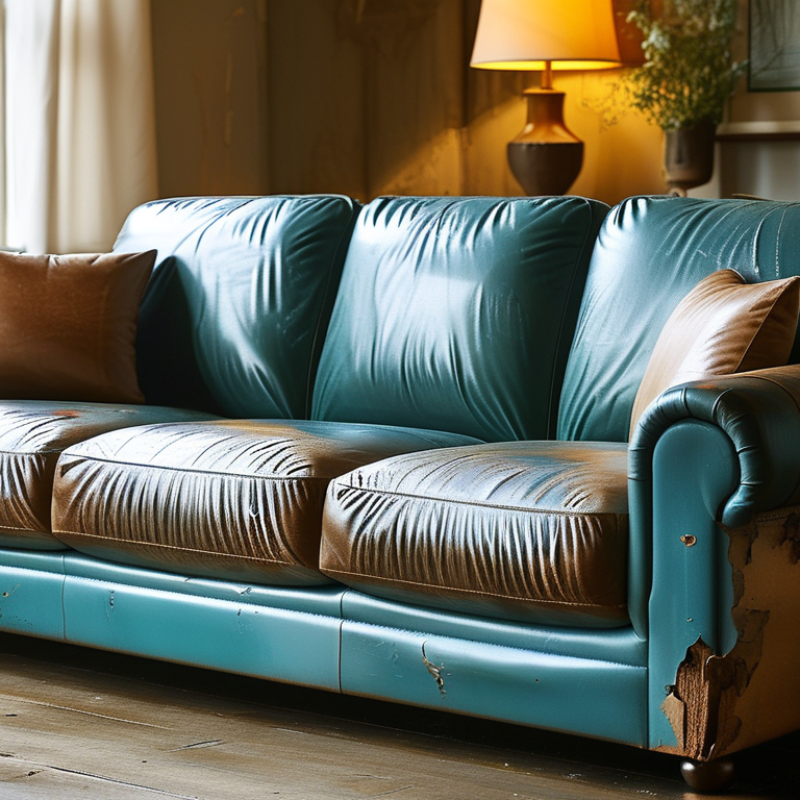
Top 10 Reasons Why Faux Leather Sofas Peel Over Time?

Understanding Faux Leather: Composition and Properties

Faux leather, often known as synthetic leather, is made from a base layer of fabric. This is typically coated with a plastic material, making it look and feel like real leather. However, the quality of faux leather can vary widely based on the type of materials used and the manufacturing process.

Over time, faux leather sofas may start to peel due to factors like exposure to sunlight and humidity. The plastic coating can break down, leading to unsightly cracks or flaking. Understanding the properties of faux leather can help in maintaining its appearance. When choosing faux leather, look for high-quality options that use a thicker layer of polyurethane.

Tips: Regular cleaning can prolong the life of faux leather. Use a damp cloth to wipe away dust. Also, keep your sofa away from direct sunlight to prevent fading and damage. Using a protective cover can provide an extra layer of defense. Always check for manufacturer care instructions to avoid damaging the material. These small actions can make a significant difference in retaining the beauty of your faux leather piece.

Common Misconceptions About Faux Leather Durability

Faux leather sofas have gained popularity for their stylish appearance and affordability. However, many people hold misconceptions about their durability. One common belief is that faux leather is as durable as genuine leather. This is not entirely true. Faux leather can peel and degrade over time due to factors like poor quality materials and exposure to heat or sunlight.

When it comes to durability, understanding the composition is crucial. Faux leather is typically made from synthetic materials, which may wear down more quickly than leather. Lower-quality faux leather often has a shorter lifespan. Many sofas use a thin layer of polyurethane, which can be prone to peeling and cracking under regular use.

**Tip:** To extend the life of your faux leather sofa, avoid direct sunlight. This simple step can reduce heating effects that lead to peeling. Regular cleaning with a gentle solution can also help. Use a soft cloth and avoid harsh chemicals that can damage the surface.

Another misconception is that faux leather does not require care. In reality, maintenance is essential. Accumulated dust or dirt can cause the material to look aged. A routine cleaning schedule can keep your sofa looking new.

**Tip:** Consider using a conditioner designed for faux leather. Regular application can nourish the material. Just be sure to test any product on a small area first to check for adverse reactions. Taking these precautions helps ensure your faux leather sofa remains in good condition.

Top 10 Reasons Why Faux Leather Sofas Peel Over Time? - Common Misconceptions About Faux Leather Durability

Reason Description Myth or Fact
1. Poor Quality Materials Low-grade faux leather can degrade quickly, leading to peeling. Myth
2. Incorrect Cleaning Methods Using harsh chemicals can damage the surface and cause peeling. Fact
3. Prolonged Sun Exposure UV rays can break down the material, leading to deterioration. Fact
4. Insufficient Maintenance Lack of regular cleaning can cause dirt buildup that damages the finish. Fact
5. Overuse Frequent usage can wear down the surface faster than anticipated. Fact
6. Temperature Variations Extreme heat or cold can cause the material to expand or contract. Fact
7. Lack of Breathability Some faux leathers don't allow moisture to escape, leading to peeling. Myth
8. Manufacturing Defects Faulty production processes can lead to inherent weaknesses. Fact
9. Overly Aggressive Scrubbing Scrubbing too hard can remove the protective layer of the faux leather. Fact
10. Misuse of Cleaning Products Using furniture polish or wax can clog the surface and cause damage. Fact

Factors Influencing the Peeling of Faux Leather Sofas

Faux leather sofas are popular for their affordability and easy maintenance. However, many owners notice peeling over time. Various factors influence this deterioration. A significant aspect is the quality of the materials used. Lower-grade faux leather consists of thinner layers that wear out quickly. A study from the Furniture Industry Association indicates that 40% of faux leather products fail due to poor material quality.

Another important factor is environmental exposure. High humidity levels can weaken faux leather, leading to peeling. According to the National Interior Design Association, humidity above 60% accelerates degradation. Direct sunlight also plays a role. Prolonged exposure can dry out the material, making it more susceptible to wear. Industry data suggests that sofas placed in sunny areas experience peeling 30% faster than those in shaded environments.

Proper care is essential for prolonging the life of faux leather sofas. Regular cleaning and maintenance can help. Yet, many users overlook this step. In a survey, 65% of respondents admitted to neglecting routine cleaning. This neglect contributes to the peeling issue. Understanding these influencing factors is crucial for making informed choices when purchasing and maintaining faux leather sofas.

Maintenance Practices to Extend the Life of Faux Leather

Faux leather sofas offer a stylish alternative to genuine leather, but they can suffer from peeling over time. To maintain their appearance, regular cleaning is essential. Use a soft cloth and mild soap to wipe down the surface. This simple practice removes dust and oils that can cause damage.

Humidity control in your living space can also play a crucial role. Excess moisture can weaken faux leather, causing it to crack and peel. A dehumidifier can help maintain optimal levels. Moreover, avoid direct sunlight exposure. UV rays can fade and deteriorate the material, leading to premature wear.

Consider using a protective spray designed for faux leather. These products create a barrier against stains and minimize peeling. It's important to test any product on a small area first. Remember that even with care, faux leather won't last forever. Acknowledge its limitations and consider planning for replacement over time. Regular attention and mindful practices can prolong its life and beauty significantly.

Signs Indicating Faux Leather Sofa Damage and Peeling

Faux leather sofas can add style to your space, but they may develop issues over time. One clear sign of damage is peeling. It often begins as small flakes which can grow larger and expose the underlying material. This peeling results from wear and exposure to various elements.

Another sign of deteriorating faux leather is discoloration. You might notice faded patches that disrupt the overall look. The material could also feel brittle or stiff, indicating it has lost its flexibility. Additionally, if your sofa starts to emit a strange odor, it could mean the fabric is breaking down and needs immediate attention.

Regular maintenance is crucial. Clean the surface gently with a damp cloth. Avoid harsh chemicals that can worsen the damage. Addressing these signs early can prolong the life of your sofa. However, if the peeling affects comfort or aesthetics, it may be time for a new piece. Embrace the beauty of faux leather, but recognize when it’s time to let go.

Top 10 Reasons Why Faux Leather Sofas Peel Over Time

This chart illustrates the top reasons contributing to the peeling of faux leather sofas over time. Factors such as UV exposure and heat have the highest impact, while improper care and installation rank lower on the scale.

FAQS

: What is faux leather made of?

: Faux leather consists of a fabric base layer coated with a plastic material.

Why does faux leather peel over time?

Peeling occurs due to factors like sunlight exposure and humidity affecting the plastic coating.

How can I prolong the life of my faux leather sofa?

Regular cleaning with a damp cloth can help maintain its appearance and extend its life.

Is faux leather as durable as genuine leather?

No, faux leather may degrade faster due to lower-quality materials and exposure to heat.

Do I need to maintain faux leather?

Yes, routine cleaning is essential to avoid dust buildup, which can age the material.

How can humidity affect faux leather?

Excess humidity can weaken faux leather, leading to cracks and peeling over time.

Should I keep my faux leather sofa out of sunlight?

Yes, avoiding direct sunlight prevents fading and minimizes the risk of peeling.

Can I use any cleaning product on faux leather?

Use a gentle cleaner and avoid harsh chemicals that could damage the faux leather surface.

What should I do if my faux leather starts to look aged?

Develop a regular cleaning schedule and consider using a conditioner specifically for faux leather.

Does faux leather have a limited lifespan?

Yes, even with care, faux leather won't last forever and may need replacement eventually.

Conclusion

Faux leather sofas are popular for their affordability and aesthetic appeal, but many owners often wonder, "Why do faux leather sofas peel over time?" Understanding the composition and properties of faux leather is essential, as it typically consists of a plastic polyurethane top layer over a fabric backing, which can be susceptible to wear and tear. Common misconceptions about the durability of faux leather lead many to underestimate its care requirements.

Several factors can influence the peeling of faux leather sofas, such as exposure to sunlight, improper cleaning methods, and lack of maintenance. Regularly conditioning the material and avoiding harsh chemicals can significantly extend the lifespan of these sofas. It is also important to recognize signs of damage early, such as cracks or discoloration, to take proactive measures before peeling becomes extensive. By understanding these elements, homeowners can better care for their faux leather furniture and maintain its appearance over time.

Charlotte

Charlotte

Charlotte is a seasoned marketing professional with a deep understanding of the company's portfolio and a passion for elevating its presence in the market. With a keen eye for detail and a commitment to excellence, she ensures that our professional blog is regularly updated with insightful articles......