China Top 10 Ways to Safely Disinfect Second Hand Furniture?

Time:2026-11-27 Author:Isabella
0%

Second-hand furniture can bring character into a home, along with dust, odors, and germs left by previous use. A careful cleaning routine helps, but no single product suits every surface. Before starting, check the material, care label, and maker’s instructions. Take a close look at seams, drawers, and undersides. These spots often hold grime. Small details matter.

How to safely disinfect second-hand furniture? Begin by removing loose dirt with a vacuum or damp cloth, then clean the surface with a material-appropriate detergent. Disinfect only when the product label says it is suitable for that surface, and follow its dilution and contact-time directions. Open windows, wear gloves when the label recommends them, and never mix cleaning products. Test a hidden area first. A finish can fade or turn cloudy. For fabric, check care guidance before applying sprays; some upholstery needs professional treatment, especially when heavily soiled or damp inside. Keep children and pets away until the item is dry. Let it air out fully. That may take longer than expected.

This guide outlines ten practical ways to reduce everyday contamination while protecting wood, metal, leather, and textiles. It is not a guarantee that furniture is sterile, and household cleaning cannot resolve every pest or contamination concern. If an item has persistent odors, visible mold, or unknown stains, pause and seek qualified advice before bringing it indoors. A cautious choice is sometimes the safest one.
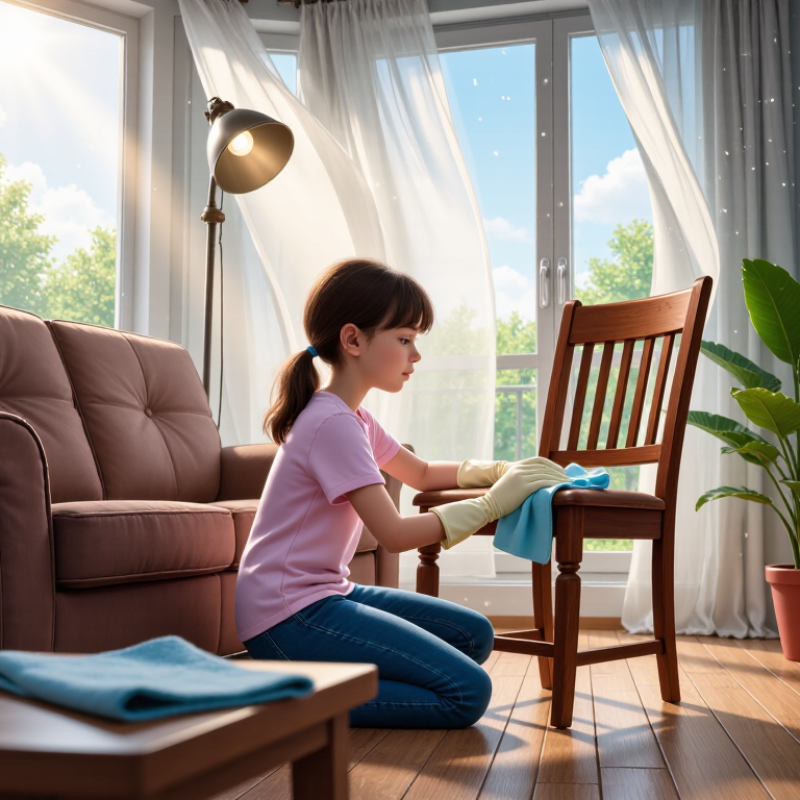
China Top 10 Ways to Safely Disinfect Second Hand Furniture?

Assess Second-Hand Furniture by Material and Condition

Before choosing a disinfectant, identify the furniture’s material and finish. Sealed wood, laminate, metal, and glass are usually easier to wipe than unfinished timber or fabric. Check joints, undersides, and drawer interiors for sticky residue, peeling veneer, or a musty smell. Small details matter.

For upholstered pieces, inspect seams and cushions for dampness, stains, pests, or foam that crumbles when pressed. Fabric and foam can hold moisture, so surface spraying may not reach deeper layers. The U.S. Environmental Protection Agency’s A Brief Guide to Mold, Moisture and Your Home advises drying wet materials within 24–48 hours to limit mold growth. If cushions smell musty or remain damp, consider professional assessment rather than masking the odor. I would not treat a quick wipe as proof that a porous chair is clean.

Assess damage before cleaning. Loose upholstery, cracked finishes, swollen wood, and rusted fasteners can worsen with excess water. Use a disinfectant only when its label lists the surface as compatible, and follow the stated contact time. Test it on a hidden spot first. Keep liquids off unfinished wood, and avoid soaking seams or cushion filling. If the surface coating flakes or the material’s identity is unclear, pause; guessing can cause damage.

China Top 10 Ways to Safely Disinfect Second-Hand Furniture — Assess by Material and Condition

How to read this chart: Caution levels are a practical qualitative guide, not standardized test scores. Always check the furniture care instructions and the disinfectant label; use a product only on surfaces listed on its label.

  1. Inspect for mold, pests, damage, and care labels before cleaning.
  2. Vacuum or brush away loose dust and debris.
  3. Clean visible dirt first with a suitable detergent and a lightly damp cloth.
  4. Test any cleaner on a small, hidden area and let it dry.
  5. For hard, nonporous surfaces, use a disinfectant labeled for that surface.
  6. Keep the surface visibly wet for the full contact time stated on the product label.
  7. For upholstery and other porous materials, follow the care label; do not assume a surface disinfectant is suitable.
  8. Avoid soaking wood, leather, particleboard, foam, and woven materials.
  9. Never mix cleaning products; ventilate the area and follow label precautions.
  10. Let the furniture dry completely before use; seek professional advice or discard items with extensive mold or pest damage.

Prepare the Furniture and Protect Yourself Before Cleaning

Before cleaning second-hand furniture, inspect it in bright light. Check seams, joints, undersides, and the backs of drawers for dust, stains, loose parts, or signs of pests. Identify the material and follow any care instructions you can find. A finish that looks like solid wood may be veneer. Test your chosen cleaning method on a hidden spot and let it dry before proceeding. Small details matter.

Protect yourself and the room. Open windows and keep children and pets away while you work. Wear household gloves, and use eye protection if splashes are possible. Avoid breathing dust when brushing or vacuuming; a well-fitting mask can help. Never mix cleaning products, especially bleach with other cleaners. If the furniture has a strong odor, visible mold, or extensive pest activity, pause and seek suitable professional advice.

Move the piece onto a washable floor covering, away from food and personal items. Remove cushions, drawers, and detachable hardware when practical. Vacuum upholstery seams and crevices gently, using an attachment reserved for this task. Keep wood surfaces dry unless their care instructions allow moisture. I sometimes miss a narrow corner on the first pass, so I check the underside again before cleaning. A slower setup is safer than rushing.

Choose Disinfectants Suitable for Each Furniture Surface

A disinfectant is only suitable when its label covers the furniture’s surface. The U.S. Environmental Protection Agency requires registered product labels to state approved uses and wet contact times. Keep the treated area visibly wet for that full period. Labels matter. A quick wipe may leave too little time for the product to work.

For sealed wood, use a compatible surface disinfectant sparingly, then dry it with a soft cloth. Unfinished wood absorbs liquid, so avoid soaking it; test a hidden spot first. Leather can stain or crack after harsh chemical exposure, and upholstery needs a product specifically labeled for fabric. Do not soak. It is easy to overdo it, especially around seams and cushion edges.

The CDC’s 2021 quantitative risk assessment estimated fewer than one infection per 10,000 contacts with contaminated outdoor surfaces; that estimate does not directly describe indoor furniture. Still, it supports choosing targeted cleaning over indiscriminate spraying. For routine dust and grime, detergent and water may be enough. When disinfection is needed, follow the product label, ventilate the room, and never mix cleaning chemicals. A small test patch is worth the extra minute.

Apply Safe Disinfection Methods to Wood, Fabric, Metal, and Plastic

Second-hand furniture can hide dust in seams and grime beneath handles. Start by vacuuming fabric and wiping hard surfaces with warm water and mild detergent. Cleaning removes soil; it does not always disinfect. For wood, use a lightly damp cloth and dry the surface promptly. Excess moisture can swell joints or dull the finish. Test any cleaner on a hidden spot first.

Tips: Check care labels before treating upholstery. Wash removable covers as directed, and let them dry fully. For fixed fabric, use a suitable fabric disinfectant only if its label allows it; keep the room ventilated. Metal parts need a compatible disinfectant and a thorough dry afterward to reduce rust risk. For plastic, follow the product’s stated contact time, then air-dry.

Never mix cleaning products. Especially bleach and ammonia. Wear gloves if the product label recommends them, and keep children and pets away until treated surfaces are dry. A fresh scent is not proof that germs are gone. Some porous cushions cannot be reliably disinfected at home, and repeated wet cleaning may cause damage. That part is easy to overlook. When an item is heavily soiled or has persistent odor, consider professional cleaning or replacing the affected cushion.

Dry, Ventilate, and Inspect Furniture Before Indoor Use

Second-hand furniture can hold dust and moisture in seams, joints, and undersides. Inspect it under bright light before bringing it inside. Remove cushions and open drawers. Check the back, frame, and fabric folds for damp patches, musty smells, damage, or signs of pests. A quick look at the front is not enough. If mold or a persistent odor remains, pause and assess whether the item can be cleaned safely.

After cleaning, let every surface dry completely. Wood and upholstery can be damaged by excess water, so follow the care label and avoid soaking them. Place the piece in a dry, shaded spot with good airflow. Direct sun may fade fabric or affect some finishes. Let it breathe. A fan can help with ordinary drying, but avoid stirring up dust from a visibly moldy item. Ventilate the room before use, too.

Before indoor use, inspect the furniture again, especially hidden joints and the underside of cushions. Use disinfectants only when they suit the material, and follow their label directions. Test a small, inconspicuous area first. Never mix cleaning products. A surface may feel dry while padding or joints remain damp; that is an easy detail to miss. Wait longer if needed, and check again.

FAQS

What should I inspect before cleaning second-hand furniture?

Check joints, undersides, and drawer interiors for sticky residue, peeling veneer, or musty smells. Small details matter.

How can I assess upholstered furniture?

Look along seams and cushions for dampness, stains, pests, or crumbling foam. Fabric can hold moisture. A quick wipe is not proof it is clean.

How do I choose a disinfectant for a furniture surface?

Read the label and confirm it lists that material. Follow its wet contact time, and test a hidden spot first.

What is a safer way to clean sealed or unfinished wood?

Wipe sealed wood with a lightly damp cloth, then dry it promptly. Keep liquids away from unfinished wood. Test first.

Can I disinfect fabric cushions at home?

Use a fabric disinfectant only if its label allows it. Avoid soaking seams or filling. Some porous cushions may need professional assessment.

What should I do if a cushion smells musty or stays damp?

Let it dry fully, but do not simply cover the smell. Persistent dampness or odor may call for professional cleaning or replacing the cushion.

How should I treat metal and plastic parts?

Use a compatible product and follow the stated contact time. Dry metal afterward to reduce rust risk. Let plastic air-dry.

Is detergent and water enough for every piece?

It can remove ordinary dust and grime, but cleaning does not always disinfect. Use disinfection when needed, and avoid repeated wet cleaning that may damage materials. A fresh scent proves little.

What precautions should I take while cleaning?

Never mix cleaning products. Ventilate the room, follow label directions, and keep children and pets away until treated surfaces are dry. Use gloves if directed.

Conclusion

How to safely disinfect second-hand furniture? Start by checking each item’s material, condition, and care instructions. Look for stains, mold, pests, cracks, or peeling finishes, and avoid harsh treatments on delicate or damaged surfaces. Before cleaning, remove loose dirt, work in a well-ventilated area, and wear suitable gloves and other basic protective gear. Test any cleaner on a small, hidden spot first, and choose a disinfectant suited to the furniture’s surface.

Use gentle, material-specific methods: clean finished wood without soaking it, treat fabric according to its care label, and wipe metal or plastic with an appropriate cleaner. Follow product directions and never mix cleaning chemicals. Allow every surface and cushion to dry completely, ventilate the room, and inspect the furniture again for lingering odors, dampness, or signs of damage before bringing it indoors for regular use.

Isabella

Isabella

Isabella is a dedicated marketing professional with a sharp focus on driving brand growth and engagement through strategic content creation. With an extensive background in digital marketing, she combines her passion for storytelling with her keen understanding of industry trends to deliver......