When we think about acquiring second-hand furniture, safety often comes to mind. How to safely disinfect second-hand furniture? This question is critical for anyone who wants to bring used items into their home. Second-hand furniture can harbor germs, allergens, and unwanted pests. Understanding how to tackle these concerns is essential.
Proper disinfection requires knowledge and careful execution. Not every item can be treated the same way. For example, a wooden chair requires different methods than a fabric couch. Recognizing the material type is vital. It is important to choose appropriate cleaning agents that won't damage the furniture while ensuring thorough disinfection.
Some may underestimate the need for sanitization. A quick wipe-down may seem sufficient, but hidden bacteria can remain. It’s a process that demands patience and precision. Reflecting on this need helps highlight the importance of effective cleaning. Bringing second-hand goods into your space can be beneficial, but ensuring their safety should always come first.
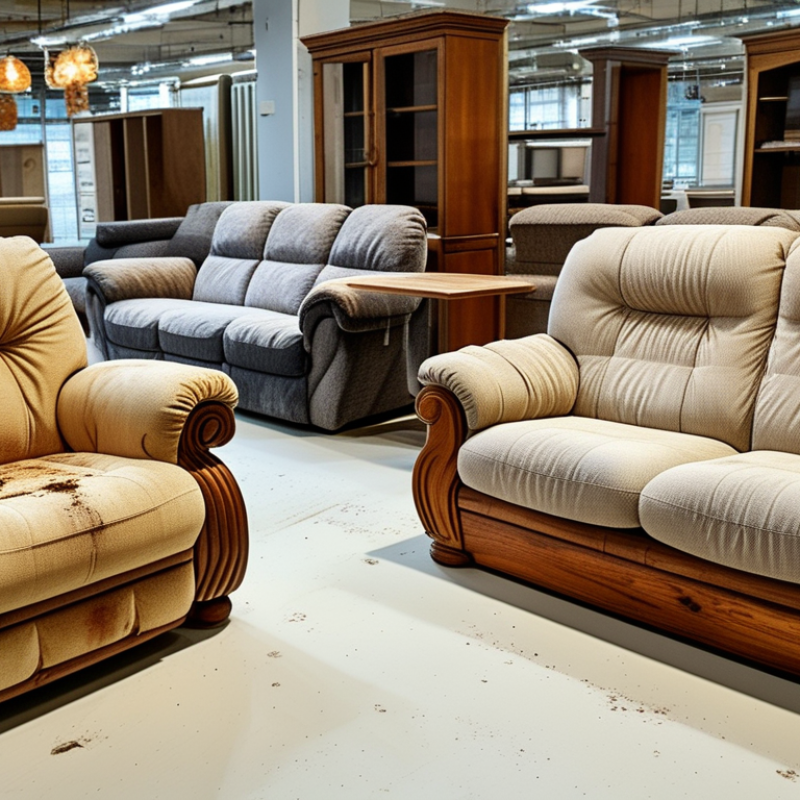
Disinfecting second-hand furniture is crucial for several reasons. First, these items may carry bacteria, allergens, or pests from previous owners. In an age where hygiene is paramount, neglecting this step can lead to health issues. The process ensures a cleaner environment in your home, fostering better well-being for your family.
Understanding how to properly disinfect involves various methods. You can start with basic cleaning. Wipe surfaces with soapy water to remove dust and grime. Then, consider using a solution of vinegar and water for added disinfecting power. Make sure to pay extra attention to crevices and hidden areas. However, remember that some materials may be sensitive. Testing a small, hidden area first is always wise.
It’s important to reflect on your approach. You might feel unsure if you’ve cleaned thoroughly enough. This is common. Use a checklist to guide your process, ensuring no area is skipped. In the end, the satisfaction of safely welcoming second-hand furniture into your home outweighs these uncertainties.
| Method | Materials Needed | Effectiveness | Safety |
|---|---|---|---|
| Soap and Water | Mild dish soap, warm water | Moderate | Very Safe |
| Alcohol Solution | Isopropyl alcohol (70%), spray bottle | High | Moderate |
| Vinegar Solution | White vinegar, water | Moderate | Very Safe |
| Disinfectant Wipes | Pre-moistened wipes | High | Moderate |
| Steam Cleaning | Steam cleaner | Very High | Moderate |
: Disinfecting helps remove bacteria and allergens, which can improve your home’s hygiene and protect your health.
Begin with wiping surfaces using soapy water to eliminate dust and grime.
Yes, a vinegar and water solution can enhance disinfecting power. Test it on a hidden area first.
You’ll need rubber gloves, a mask, microfiber cloths, a spray bottle, and an eco-friendly cleaner.
It’s common to feel unsure. Use a checklist to ensure you do not miss any areas during cleaning.
A soft-bristle brush can effectively clean crevices and difficult spots without damaging the furniture.
Yes, always ventilate your space to avoid inhaling dust or fumes during the disinfecting process.
Keeping it outdoors for a short time allows any lingering smells to dissipate before bringing it inside.
No, ensure the furniture is completely dry before bringing it back inside. This helps the disinfectant work effectively.
Always test cleaning solutions on a small, hidden area first to prevent potential damage to the furniture.
When considering how to safely disinfect second-hand furniture, it’s crucial to understand the importance of the process, as these items may harbor allergens, bacteria, or viruses. Essential supplies like gentle cleaners, microfiber cloths, and disinfectants should be gathered to ensure a thorough cleaning. A step-by-step guide to cleaning various types of furniture—wood, upholstered, and metal—will help in applying appropriate techniques that safeguard the integrity of the materials.
Effective disinfection techniques for common surfaces will enhance the safety of your newly acquired pieces, ensuring they are free from germs. Lastly, post-disinfection tips can further help maintain furniture hygiene, such as regular dusting and periodic cleaning. By following these guidelines, you can confidently embrace how to safely disinfect second-hand furniture, contributing to a healthy living environment.

 Govind Sofa