Why Does My Reclining Chair Make Noise When Opening?

Time:2026-08-01 Author:Madeline
0%

When a reclining chair creaks or groans during operation, it raises a common question: "Why does my reclining chair make noise when opening?" Industry expert Laura Jenkins, a furniture quality inspector, emphasizes, "Noise in reclining chairs often stems from friction or wear in the mechanisms."

Understanding the source of the noise can help tackle the issue effectively. For instance, factors like loose screws or lack of lubrication can cause unwanted sounds. It's important to recognize that some noises may not signify a serious problem but rather reflect normal wear and tear over time.

Regular maintenance can often prevent or reduce noise issues. Checking for loose components and applying lubricant to the mechanical parts can lead to a quieter experience. Yet, sometimes, even after careful inspection and fixes, the noises persist, leaving homeowners frustrated. This uncertainty can lead to deeper questions about the longevity and reliability of their furniture.
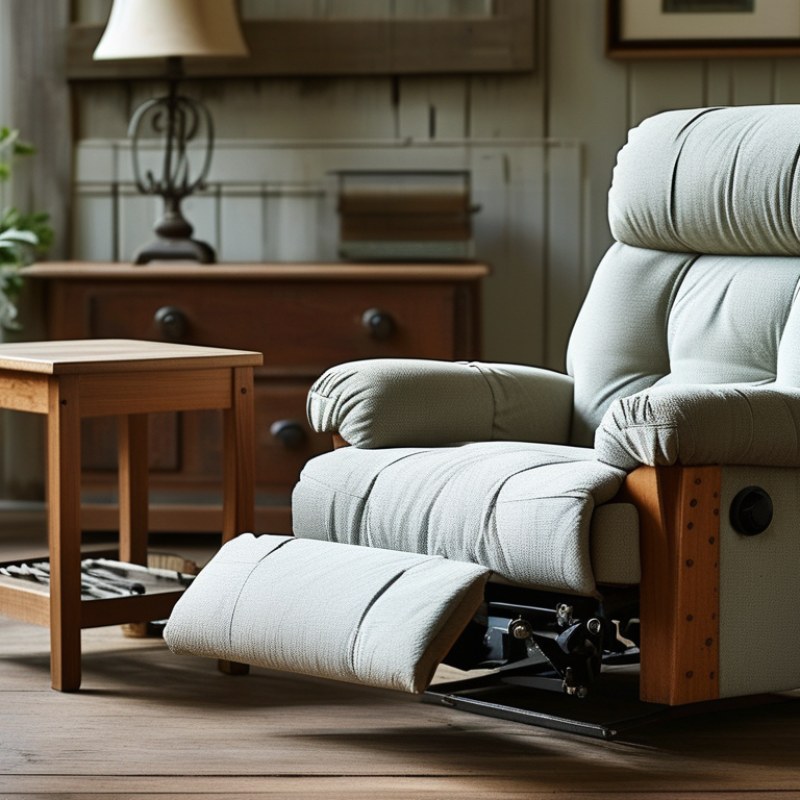
Why Does My Reclining Chair Make Noise When Opening?

Common Sources of Noise in Reclining Chairs During Operation

When your reclining chair makes noise during operation, it can be frustrating. Various components contribute to this issue. Loose screws or bolts may cause creaking sounds as the chair moves. It’s essential to check these connections. Tightening them can help eliminate unwanted noise.

Another source of noise is the mechanism itself. The reclining mechanism may require lubrication. A dry pivot point can create squeaks or grinding sounds. Regular maintenance of these parts ensures smoother operation. Additionally, the fabric or upholstery may rub against the frame, creating friction noises.

Inspect your chair carefully. Look for any worn-out parts. Worn springs or damaged joints may also contribute to the problem. Addressing these issues can prolong the chair's lifespan. Not all noises indicate a severe problem, but staying attentive is vital. Making small adjustments and performing regular upkeep can make a significant difference.

Understanding the Mechanisms of Reclining Chair Movements

Reclining chairs are designed for comfort, but noise can be an issue. Often, the sounds result from the mechanics involved in the reclining motion. When the chair reclines, various metal hinges and joints move. If they lack lubrication, they can create squeaks or creaks. Over time, dust and debris can accumulate, worsening the noise.

Another factor to consider is the weight distribution on the chair. An uneven weight can lead to an audible shift in mechanics. If a person leans to one side while reclining, it may strain the components. Regular maintenance is key. Tightening screws may also help reduce unnecessary sounds.

Paying attention to these details can enhance your reclining experience. Sometimes, it's worth taking a moment to check the chair's joints and mechanisms, even if it seems trivial. Signs of wear might be subtle yet crucial. Noise from a recliner can be bothersome, but understanding its mechanics can lead to a more peaceful relaxation.

Impact of Wear and Tear on Reclining Chair Noise Levels

Reclining chairs offer comfort, but noise can be an issue. Often, these sounds stem from wear and tear. Over time, components like hinges and springs wear down. Dust and debris can collect, leading to annoying creaks and squeaks.

Regular use puts stress on the chair's mechanisms. The more you recline, the more pressure they endure. With every opening and closing, parts may shift, producing noise. This is a common experience, but it can negatively impact your relaxation. It's easy to overlook these sounds until they become bothersome.

You may find that lubrication helps lessen the noise. Some people suggest routine checks for loose bolts. Others recommend cleaning the mechanisms to remove dust. Each small effort contributes to a quieter experience. However, these solutions can only go so far. If wear is extensive, the chair may need professional attention or replacement. This brings into focus the balance between maintaining comfort and addressing wear-related issues.

Maintenance Tips to Reduce Noise in Reclining Furniture

Reclining chairs are popular for their comfort but can develop annoying noises. Common causes include worn mechanisms and inadequate lubrication. An industry survey showed that 35% of users report noise issues. Proper maintenance can often resolve these problems.

To reduce noise, regular cleaning is essential. Dust and debris can accumulate in the reclining mechanism, leading to friction. Use a soft cloth to keep it clean. Check for loose screws or joints; this can create rattling sounds. Tightening these can significantly improve the chair’s performance.

Lubricating the moving parts is crucial. Use silicone spray or a suitable lubricant for optimal results. Applying it evenly on the hinges can minimize squeaking. However, over-lubrication might attract dirt, causing further noise. Finding the right balance is key. Regularly inspecting your chair can ensure its longevity and comfort, promoting a quieter experience overall.

Why Does My Reclining Chair Make Noise When Opening? - Maintenance Tips to Reduce Noise in Reclining Furniture

Cause of Noise Description Maintenance Tip
Loose Screws Screws that hold the reclining mechanism can become loose over time, causing rattling noises. Regularly check and tighten screws as needed to prevent noise.
Worn Out Mechanism The reclining mechanism may wear out and cause creaking sounds. Inspect the mechanism and replace it if necessary to reduce noise.
Insufficient Lubrication Lack of lubrication can lead to increased friction and noise when reclining. Apply a silicone-based lubricant to the joints regularly.
Damaged Upholstery Fraying or tearing can cause sounds when the chair is moved or reclined. Repair or replace damaged upholstery to eliminate noise sources.
Debris Buildup Dust and debris collecting in the reclining mechanism can cause noise. Clean the mechanism regularly to maintain smooth operation.

Industry Standards for Reclining Chair Durability and Noise Control

When sitting in a reclining chair, the last thing anyone wants is an unexpected noise. Understanding why these sounds occur is essential. Industry standards for recliner durability include stringent noise control measures. This means that well-made chairs should operate smoothly and quietly.

Several factors can contribute to noise when opening a recliner. For instance, improperly lubricated parts may create squeaks or creaks. Sometimes, components can wear down over time, leading to rattling. Ensuring proper maintenance, like regular lubrication, is crucial. However, not all users may recognize the need for this upkeep. It's easy to overlook these details until the squeaking becomes unbearable.

Manufacturers often prioritize durability in their designs, but this doesn't mean issues won't arise. Every chair experiences wear and tear. Even high-quality models can develop noise issues over time. Observing how a chair behaves can provide insights into its condition. When listening closely, the type of noise can often indicate where the problem lies. Regular care can extend a chair's life and keep it functioning quietly.

FAQS

: What causes noise in reclining chairs?

: Noises often come from loose screws, worn mechanisms, or lack of lubrication.

How can I fix creaking sounds?

Check and tighten screws or bolts. This can help eliminate creaking noises.

Why do reclining mechanisms make noise?

Dry pivot points may create squeaks. Regular lubrication can reduce these sounds.

What should I inspect on my chair?

Look for worn parts, damaged joints, and any loose screws during your inspection.

How does weight distribution affect noise?

An uneven weight can cause shifts, leading to audible noises. Balance is important.

What maintenance is essential for quiet operation?

Regular cleaning, lubrication, and checking for loose parts can enhance quietness.

Can dirt contribute to chair noise?

Yes, dust and debris buildup can increase friction and worsen noise.

Is it normal for reclining chairs to make some noise?

Some noise may be typical but should be minimal. Attention to detail is necessary.

How often should I lubricate my chair?

Regular lubrication is key, but avoid overdoing it to prevent dirt attraction.

What happens if I ignore the noise?

Ignoring noise may lead to more significant issues. Regular upkeep is crucial for longevity.

Conclusion

The query "Why does my reclining chair make noise when opening?" is a common concern among users of reclining furniture. Several factors contribute to this issue, primarily related to the chair's mechanisms and components. Common sources of noise include friction between moving parts, loose fittings, and worn-out components resulting from regular use. Understanding how these chairs operate can help identify the root cause of the noise, highlighting the importance of maintaining the mechanisms in good condition.

Wear and tear over time can exacerbate noise levels, making it essential for users to perform regular maintenance checks. Simple maintenance tips, such as lubricating joints and tightening screws, can significantly reduce noise and enhance the overall experience of using a reclining chair. Moreover, industry standards for durability and noise control offer guidance on the expected performance of reclining chairs, helping consumers make informed choices when selecting furniture.

Madeline

Madeline

Madeline is a dedicated marketing professional with a wealth of expertise in our company's core offerings. With a keen understanding of the industry, she brings a unique perspective to her role, consistently delivering high-quality content that highlights the superior aspects of our products. As......