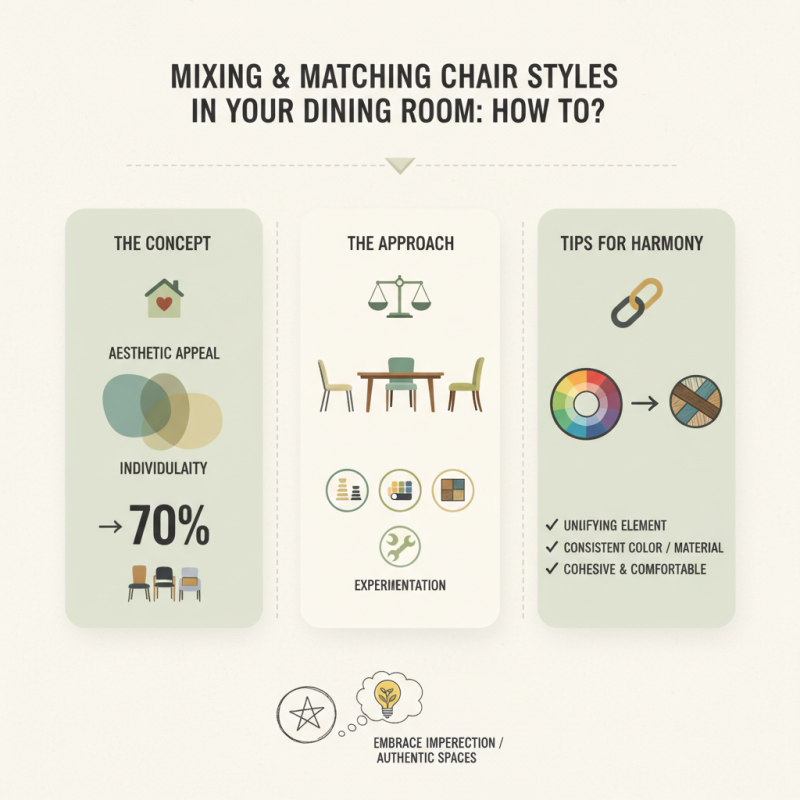
Creating a harmonious dining space often involves more than just selecting a single style of chair. The art of mixing and matching different chair styles can transform your dining room into a unique and inviting atmosphere. According to the American Home Furnishings Alliance, 70% of homeowners are now opting for eclectic designs that reflect their personality. The concept not only enhances aesthetic appeal but also showcases individuality.
So, how to mix and match different chair styles in a dining room? A balanced approach is crucial. Consider heights, colors, and materials that complement each other. For instance, pairing a wooden dining table with metal and upholstered chairs can create an engaging contrast. However, finding the right balance may be challenging and requires experimentation.
Many decorators recommend starting with a unifying element, like a consistent color scheme or a common material. This can provide a cohesive look without sacrificing creativity. Remember, the goal is to create a dining environment that feels both cohesive and comfortable. Embracing imperfections in the design process often leads to more authentic spaces. Thus, exploring various styles, while keeping a mindful eye on harmony, is essential in your design journey.
Choosing a theme for your dining room chair styles is essential for creating an inviting space. According to a report from the American Home Furnishings Alliance, 70% of consumers believe that the style of dining chairs significantly impacts their dining experience. It’s not just about comfort; aesthetics play a vital role.
Consider a mid-century modern theme with sleek lines and natural woods. This style pairs well with various table types. Alternatively, a rustic farmhouse theme embodies warmth and charm. Mixing metal chairs with wooden ones can create visual interest. However, it's crucial to maintain a cohesive color palette. Research shows that complementary colors enhance the dining ambiance.
Striking the right balance requires thoughtful consideration. Too many styles can lead to chaos in the space. Often, homeowners overlook the importance of proportions. Oversized chairs in a small room can feel clunky. Regularly reassessing your choices can reveal areas for improvement. Observing how different styles interact with your existing decor contributes to a harmonious dining experience. Keeping these aspects in mind can help you curate an enjoyable and aesthetically pleasing dining space.
: Focus on the features of each style. Look for comfort, aesthetics, and how they fit with your table.
Look for common colors or materials. This can create visual unity while adding interesting contrasts.
An attractive chair may not support posture. Test chairs for height and depth to ensure comfort during meals.
Consider the table shape. Round tables allow varied styles. Square tables benefit from pairs of complementary styles.
Artwork and textiles are great options. Use a unique piece or vibrant cushions to reflect your personal style.
Yes, embrace imperfections. Vintage items or mismatched pieces can add character and depth to the room.
Arrange chairs to encourage conversation. Grouping them can foster intimacy, while spacing promotes formality.
Both matter. Aim for a balance of appealing design and comfortable seating for an enjoyable dining experience.
Absolutely. Different textures can add depth and interest. Just ensure they blend harmoniously with your color scheme.
Lighting is crucial. It can influence mood. Choose fixtures that complement your decor style for a cohesive feel.
In exploring the question "How to mix and match different chair styles in a dining room?", the first step is to choose a cohesive theme that reflects your personal taste and the overall design of your space. Understanding the various chair styles—such as modern, rustic, or classic—along with their unique features can help you create an inviting atmosphere.
Next, balancing color and texture is essential for achieving visual harmony within mixed chair designs. Pay attention to how each chair complements the others, ensuring that they work together without clashing. Additionally, arranging the chairs thoughtfully will not only enhance functionality but also optimize aesthetics within the dining area. Finally, incorporating personal touches, such as unique decor or family heirlooms, will complete your dining space and make it feel truly yours.

 Govind Sofa