Mixing and matching dining room chairs can create a unique space that reflects your style. According to a recent survey from the National Home Furnishings Association, 68% of homeowners prefer eclectic designs in their dining areas. However, achieving a cohesive look can be challenging. As interior design expert Jennifer Adams explains, "The key to mixing different chair styles is to maintain a common theme or color palette." When considering how to mix and match different chair styles in a dining room, think about materials and shapes.
Textures also play a crucial role. A wooden chair can complement metal accents. Consider proportions too; mismatched chairs can sometimes make a space feel overcrowded. An overly diverse selection may lead to chaos. Instead, choose a few standout pieces that draw the eye. Reflecting personal style is vital, yet balance is essential. Select chairs that harmonize without sacrificing individuality. Evolving your dining room layout can be rewarding, allowing for experimentation with different chair aesthetics. Embrace this creative challenge, and your dining space can become a conversation starter.
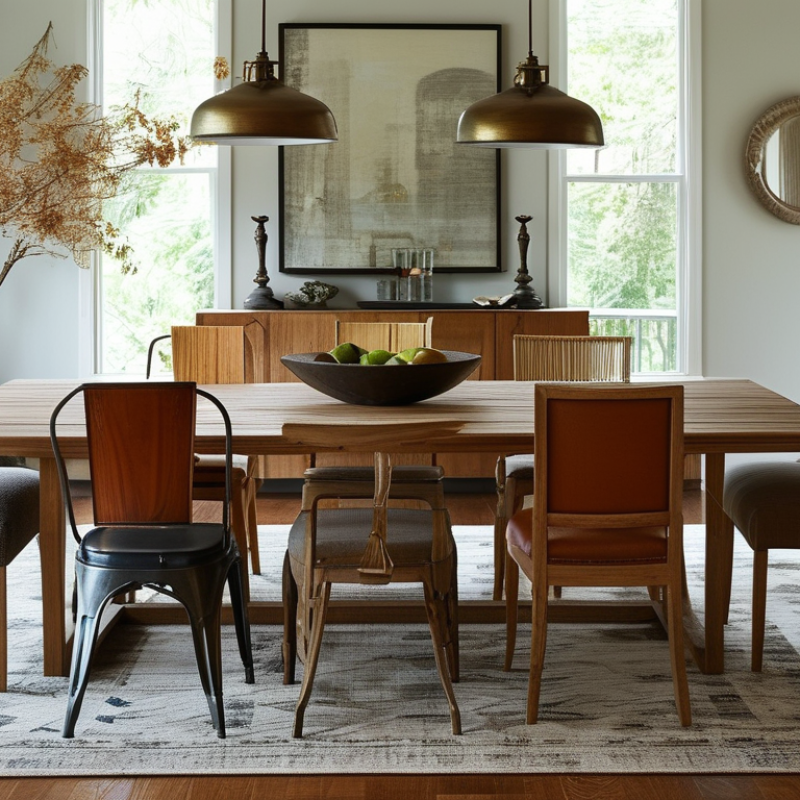
Choosing a Color Palette for Your Dining Room Chairs
Choosing the right color palette for dining room chairs can transform your space. Industry reports reveal that color impacts mood and unity. A cohesive palette is key. According to a 2022 survey by Interior Design Association, 70% of homeowners prioritize color coordination when selecting furniture.
When mixing and matching chairs, consider the overall theme of your dining area. For a modern look, opt for neutral tones, supplemented by one or two vibrant accent pieces. Using shades of gray or beige can create an elegant base. Adding a bold chair in emerald green or deep blue introduces a striking visual element. Remember, mismatched chairs can charm, but they should still complement each other.
Reflecting on your choices can enhance your design. Avoid overwhelming the space with too many colors. A 2019 report shared that designs featuring three harmonized colors evoke a sense of balance. Limit yourself to two or three tones. If a chair doesn’t fit your vision, reconsider its place in the overall scheme. Simple adjustments can lead to a more polished finish. The goal is to create a dining experience that feels both stylish and inviting.
Selecting Different Chair Styles to Enhance Your Space
Mixing and matching dining room chairs can lead to a unique and stylish look. Begin by selecting different chair styles that complement one another. A wooden chair paired with a modern metal chair creates an interesting contrast. Choose colors that resonate with your dining table and surrounding decor. Neutral tones can unify the space, while bold colors can bring a pop of excitement.
Consider the scale and proportions of the chairs. A slim, tall chair may look out of place next to a chunky, upholstered chair. Experimentation is key. Try varying heights and styles. However, this process can be tricky. Not every combination will work flawlessly. Take a step back and reassess your choices. You may find that certain pairings don't enhance the space as expected.
Pay attention to patterns and textures. A mix of solid and patterned chairs can create visual interest. Be aware that too many designs can overwhelm the room. Strive for balance. Find inspiration in local cafes or design magazines. The perfect mix of dining chairs reflects both personality and practicality. Embrace the trial and error aspect of styling; it often leads to the most creative solutions.
Balancing Heights and Proportions for Comfort and Aesthetics
When mixing and matching dining room chairs, balancing heights and proportions is key. According to design studies, the ideal seat height for dining chairs typically ranges from 17 to 19 inches from the ground. This ensures comfort while allowing adequate legroom. However, variations in chair styles can create visual tension. For example, if you choose a high-backed chair next to a low-profile bench, it disrupts the flow and can feel awkward.
Another essential factor is the proportion of the chairs to the dining table. Standard dining table heights are around 28 to 30 inches. Thus, pairing a chair that's too tall can make dining uncomfortable. Conversely, a chair that’s too short may leave diners feeling low to the ground. To maintain balance, consider the chair's design and materials. Upholstered chairs might visually weigh more, so pairing them with lighter, minimalist designs can create harmony.
Try incorporating a mix of materials. Wooden chairs can easily pair with metal or upholstered options. This not only enhances aesthetics but also reflects personal style. Pay attention to the color palette and textures for consistency. Keep in mind that too many different styles can lead to visual chaos. A thoughtful combination provides an inviting atmosphere while still being stylish. Balancing form and function creates an enjoyable dining experience.
Incorporating Textures and Fabrics for Visual Interest
Incorporating different textures and fabrics in your dining room chairs can significantly enhance the overall aesthetic. A recent report from the American Society of Interior Designers highlights that mixing materials creates a dynamic visual interest, essential for modern dining spaces. For instance, combining wood and upholstered chairs can elevate comfort while adding depth to your decor. Consider pairing a sleek wooden chair with a plush velvet option. This contrast not only captures attention but also invites engagement.
Fabrics play a pivotal role in this visual dance. Choosing various textures, such as linen, silk, or leather, adds layers and sophistication. A 2023 study by the Textile Association reveals that 70% of homeowners prefer mixed fabric dining setups for their cozy and inviting feel. However, it’s crucial to balance these elements. Too many competing textures can lead to chaos rather than cohesion. It's worth reflecting on how colors interact in this space. Playing with a muted palette may create harmony, while bold colors could provoke discomfort if not carefully curated.
The key lies in observation and experimentation. While it can be tempting to rethink the traditional chair setup, few realize the importance of tactile experience in a dining environment. Ask yourself, do your choices truly invite connection? By thoughtfully blending textures and fabrics, a stylish dining atmosphere can emerge, ultimately enhancing your home's character.
Creating a Cohesive Look with Accessories and Table Settings
Mixing and matching dining room chairs can create a visually appealing space. However, to ensure a cohesive look, focus on accessories and table settings. A well-set table can unify your chair choices, enhancing the overall aesthetic. According to a study by the International Society of Furniture Designers, well-coordinated table settings can elevate the perception of dining spaces by up to 78%.
Consider using a balanced color palette that ties your chairs and tableware together. For example, if your chairs are a mix of neutral tones, choose plates and linens that complement those colors. Floral centerpieces can add a touch of elegance while maintaining harmony. Research from the Design Research Society suggests that incorporating natural elements boosts comfort and encourages social interaction, making your dining experience more inviting.
Lighting also plays a crucial role in creating a cohesive look. Dim lights can soften the color contrast between mismatched chairs. According to the American Lighting Association, warm light tones reduce the perceived disarray in various design elements within a dining room. While mixing chairs can inspire creativity, finding the right balance with accessories can prevent aesthetics from feeling chaotic. Focus on details to enhance your dining space, but remember, it’s okay if everything doesn’t match perfectly. Embrace the charm of slight imperfections to foster a relaxed environment.
Conclusion
When considering "How to mix and match different chair styles in a dining room?", begin by establishing a coherent color palette that complements the overall aesthetic of your space. Selecting chairs in varying styles can introduce visual intrigue, but it's essential to ensure they harmonize with your chosen colors. Pay attention to balancing heights and proportions, as this not only contributes to the comfort of your dining experience but also enhances the visual appeal of the arrangement.
Incorporating diverse textures and fabrics can add depth and interest, making the dining room feel more inviting. Finally, accessories and table settings play a crucial role in creating a cohesive look. By thoughtfully combining different chair styles with these elements, you can achieve a stylish and personalized dining area that reflects your unique taste.

 Govind Sofa