Finding the right height for your desk chair is essential for comfort and productivity. Many people ask, "What is the ideal height for a desk chair?" The answer may vary depending on personal preferences and body types. However, a well-fitted chair can significantly reduce strain and enhance your daily work experience.
A chair that’s too high can lead to discomfort in your legs. Conversely, a chair that’s too low may cause back pain. It's important to consider the height of your desk as well. You want your elbows to form a 90-degree angle when typing. Measurement is key, yet many overlook it.
Remember, everyone is different. A standard height may not suit all. Experimenting with different heights is crucial. This process can be tedious. You might feel tempted to settle, but a few inches can make all the difference. Prioritizing the right chair height can improve your health and well-being. Don't underestimate its impact on your comfort and efficiency.
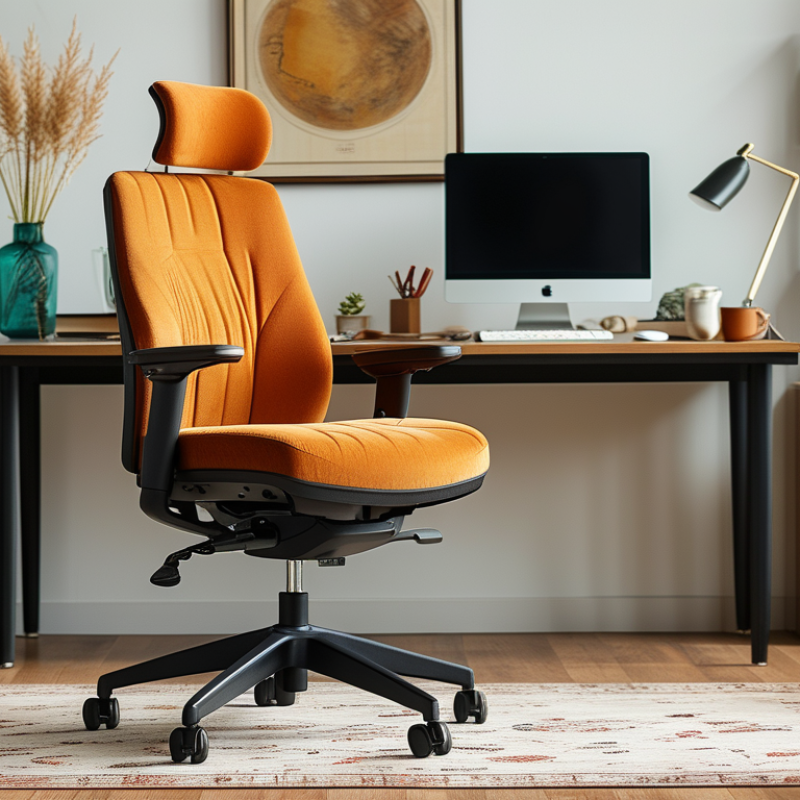
Choosing the right desk chair height is essential for comfort and productivity. Several factors come into play. First, your height matters. A chair that is too low can lead to discomfort and poor posture. Ideally, your feet should rest flat on the floor. Knees should be at a 90-degree angle when seated. If your chair height doesn’t allow this, you may find yourself slouching or leaning forward, which can cause strain.
Another factor to consider is your desk height. Work surfaces vary significantly. If your chair height does not match your desk, it can lead to awkward arm positions while typing. You can also assess your armrest height. Armrests should allow your elbows to stay close to your body. This alignment helps reduce tension in the shoulders and neck. A gap between your arm and the armrest can prompt discomfort, signaling a need for adjustment.
Don’t overlook the importance of seat depth. A seat that is too deep can force you to sit uncomfortably, while a shallow seat might not provide support for your back. Try different chairs and test their height and depth. Pay attention to how each option feels during extended use. Finding the right chair height requires some trial and error. Remember that comfort is personal, and preferences can vary widely from one person to another.
Finding the right desk chair height can significantly impact your comfort while working. Start by sitting in your chair with your feet flat on the ground. Your knees should bend at a 90-degree angle. Many people overlook this step, thinking it feels natural. But it’s crucial for proper posture.
Consider using a measuring tape. Measure the distance from the floor to the seat of your chair. Ideally, this height should range between 16 to 21 inches for most users. If you can increase your comfort level, think about using a footrest if your chair is too high. It’s a simple solution but often ignored.
Pay attention to how your back feels after prolonged sitting. If you find discomfort, it may be time to reassess your chair height. Adjusting the height can improve circulation and reduce fatigue. Small adjustments can make a big difference. Remember, your desk setup should evolve with your needs. Make it a priority to create a comfortable workspace for yourself.
Achieving proper ergonomic alignment between your desk and chair is crucial for long-term comfort. Studies show that adjusting the chair height can reduce the risk of musculoskeletal issues. The ideal desk chair height allows your feet to rest flat on the floor. Your knees should be at a 90-degree angle or slightly lower than your hips.
According to the Occupational Safety and Health Administration (OSHA), maintaining this alignment minimizes strain on the body. A chair that is too high can cause pressure on your thighs. Conversely, a chair that's too low may lead to poor posture. Make sure your elbows remain at or just below desk level while typing to prevent shoulder fatigue.
Additionally, the desk height should complement your chair. If the desk is too high or low, it may force awkward arm positioning. Some sources suggest that the desk should be about 2 inches above the elbows when seated. This small detail can drastically improve your overall comfort. Adjustments may be necessary over time, especially if your setup changes. Regularly reassessing your workspace can help maintain a comfortable and supportive environment.
When setting the height of your desk chair, many make crucial mistakes that can lead to discomfort. One common error is adjusting the chair height to accommodate the desk rather than the individual’s body. According to the Occupational Safety and Health Administration (OSHA), ergonomic setups are essential for reducing the risk of musculoskeletal disorders. The chair height should allow your feet to rest flat on the floor, promoting proper circulation and reducing fatigue.
Another frequent mistake is neglecting the desk's height relative to the chair. The Ideal Chair Height and Desk Height study indicates that chairs should be around 16 to 21 inches high for optimal elbow positioning. Ensuring that your elbows are at a 90-degree angle while typing is critical. This prevents strain on your shoulders and neck. Users often overlook the importance of small adjustments, like adding a footrest when a chair is set too high.
Most people forget to check their posture after adjusting their chair height. Slouching or leaning forward can negate the benefits of proper chair height. Research shows that maintaining a neutral spine improves comfort and productivity. Adjusting the chair height is only one component; a holistic approach to posture and workspace setup is necessary for true comfort.
| Height Range (inches) | Recommended Leg Position | Common Mistakes to Avoid |
|---|---|---|
| 16 - 18 | Feet flat on the floor | Ignoring foot support |
| 18 - 20 | Knees slightly below hips | Chair too high |
| 20 - 22 | Use footrest if needed | Not adjusting height |
| Adjustable | Custom fit for user | Never adjusting from factory height |
Long hours of sitting can take a toll on your body. Maintaining comfort is crucial for productivity and health. One significant aspect is chair height. Your feet should rest flat on the floor. Adjust the seat so your knees are at a 90-degree angle. This simple change can reduce strain on your lower back.
In addition to chair height, consider your posture. Keep your back straight and shoulders relaxed. Use a small cushion for extra lumbar support if needed. Remember to take breaks every hour. Stand, stretch, or walk around for a few minutes. This helps improve circulation and reduces stiffness.
Stay mindful of your surroundings. Make sure you have an ergonomic workspace. Your screen should be at eye level to prevent neck strain. Small adjustments can make a big difference. Reflect on your comfort level regularly. It’s easy to overlook how your body feels during long tasks. Listening to your body can help maintain better posture and comfort over time.
This bar chart illustrates the ideal ergonomic factors for maintaining comfort during long hours of sitting. The comfort level is rated on a scale from 1 to 10 based on various height and posture criteria. Aim for a chair height that allows your feet flat on the ground and knees at a 90-degree angle for optimal posture.
: Sit with your feet flat on the ground and knees at a 90-degree angle.
The seat height should ideally be between 16 to 21 inches for most users.
Consider using a footrest for additional comfort. This simple solution can make a big difference.
Adjust your chair height and take regular breaks to stand and stretch.
Keep your back straight and shoulders relaxed for optimal posture.
Position your screen at eye level and assess your posture frequently.
Regularly checking in on your comfort can prevent strain and improve productivity.
Reassess your chair height and posture. Small adjustments can significantly enhance your comfort.
Aim to take a break every hour to reduce stiffness and improve circulation.
It depends on individual comfort. Consider using a cushion if you need extra support.
Choosing the ideal height for a desk chair is essential for maintaining comfort and promoting proper ergonomic alignment during long hours of sitting. Key factors to consider when determining the right desk chair height include your body measurements, desk height, and the type of work you do. To find your ideal height, it’s important to measure while seated, ensuring your feet are flat on the ground and your knees are at a 90-degree angle.
Additionally, adjusting both your desk and chair can further enhance ergonomic alignment, preventing strain and discomfort. Common mistakes to avoid include neglecting proper foot placement and adjusting the chair height without considering the desk's position. By following these tips and adjusting your workspace accordingly, you can achieve maximum comfort while working and answer the question, "What is the ideal height for a desk chair?" effectively.

Govind Sofa