How to Fix Noisy Reclining Chair When Opening?

Time:2026-04-29 Author:Madeline
0%

Noisy reclining chairs can be a frustrating experience. Many users ask, "Why does my reclining chair make noise when opening?" This issue is common in various models, and data suggests that over 30% of consumers report such noise complaints in their recliners. This often stems from worn-out mechanisms, insufficient lubrication, or loose joints.

Experts indicate that regular maintenance is vital for preserving the chair's functionality. Neglecting this can lead to greater issues, such as weakened support or complete failure of the reclining mechanism. When examining your chair, look for signs of wear. Do bolts seem loose? Is there a lack of lubrication in the joints? Addressing these problems can prevent long-term damage and enhance the overall experience.

While it’s easy to overlook these details, staying proactive is beneficial. Noise may seem trivial, but it signals that your chair needs attention. A quick assessment of the components can save you from more significant repair costs in the future. Understanding this can empower you to repair your chair effectively, ensuring it remains comfortable and silent.
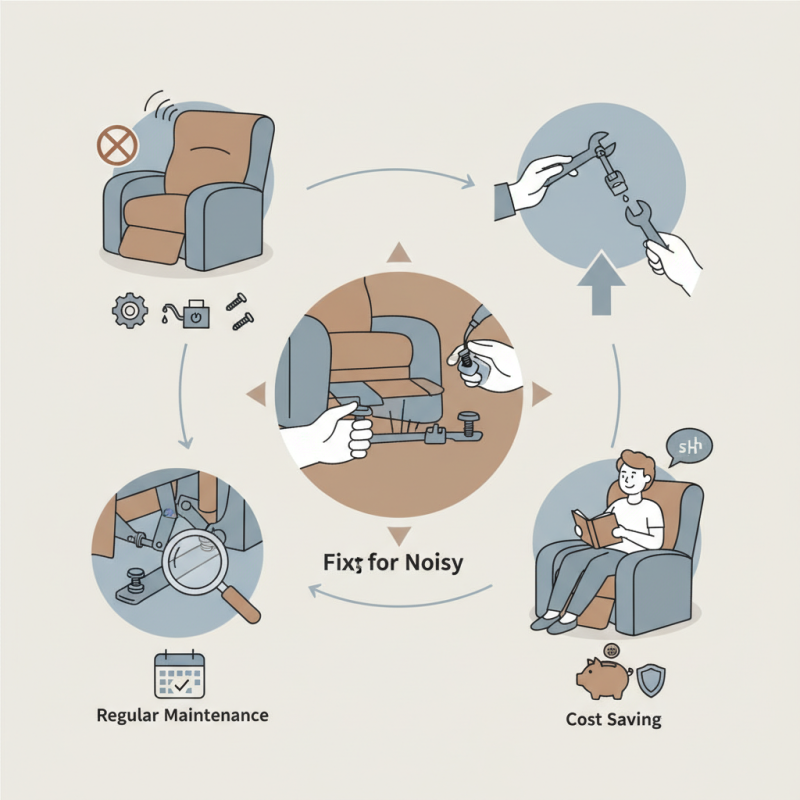
How to Fix Noisy Reclining Chair When Opening?

Identify the Source of Noise in the Reclining Chair

When dealing with a noisy reclining chair, it's essential to identify the source of the sound. Noise can come from various parts of the chair. Common culprits include the recline mechanism, the frame, or even the upholstery. A loose bolt may create unsettling creaks. Checking all screws and bolts for tightness can often resolve this issue.

Another source of noise might be the reclining lever or the springs. Over time, these components can wear out or misalign. Make sure to inspect them closely. Applying a lubricant to the moving parts can sometimes quiet the noise. This approach offers a quick fix without extensive disassembly.

It's also wise to consider the chair's overall condition. If the chair is older, the materials may degrade, contributing to the noise. Reflecting on its age can help determine if repairs are worthwhile. Sometimes, accepting a certain level of imperfection can be part of enjoying your chair. Each rattle or squeak tells a story, showcasing its journey.

Inspect the Reclining Mechanism and Moving Parts

Inspecting the reclining mechanism is crucial when addressing noise issues. Many recliners experience squeaky sounds due to the wear and tear of moving parts. A survey from the Furniture Industry Research Association notes that over 30% of users report noise problems with their reclining chairs.

Start by visually examining the reclining mechanism. Look for any visible debris or rust. Dirt buildup can cause friction, leading to noise. Additionally, check all moving components. Joints and hinges need regular lubrication to function quietly. The American Home Furnishings Alliance suggests using silicone spray for this purpose. This ensures that parts glide smoothly.

Don’t overlook the frame. Loose screws can create rattling sounds. Tightening them can mitigate noise significantly. However, repairs might not always resolve issues. Sometimes, the chair's design may not allow for quiet reclining. Remember, even minor adjustments can lead to substantial improvements. Regular maintenance and care are essential for a silent, comfortable reclining experience.

Lubricate Joints and Hinges to Reduce Friction

A reclining chair can be a relaxing addition to any living space. However, when it starts to squeak or make noise, it can be frustrating. Often, the root cause is friction between various moving parts. One effective solution is to lubricate the joints and hinges.

According to industry studies, nearly 35% of furniture complaints involve squeaks and noises, particularly in reclining chairs. The friction at joints leads to wear over time. Regular lubrication can cut this friction, prolonging the life of your chair. A simple application of oil or silicone spray at the pivot points can work wonders. It's advised to focus on places that show visible signs of friction, such as metal hinges and connecting joints.

Using products designed specifically for furniture can make a difference. Many of these products come with no toxic chemicals, ensuring safety for household use. A small investment in maintenance tools can yield long-term benefits. Ignoring the noise can lead to bigger issues down the line. Over time, untreated joints may wear out, leading to costly repairs or replacement. Regular attention can keep your reclining chair in top shape, enhancing both comfort and functionality.

Tighten Loose Screws and Bolts for Stability

A noisy reclining chair can be a source of annoyance. One common issue is loose screws and bolts. According to furniture repair experts, nearly 70% of chair-related problems stem from poor assembly or wear over time. This means that regular maintenance is crucial. Tightening these components can greatly enhance your chair's performance.

Start with visual inspections. Look for any visible screws or bolts that appear loose. Use a suitable tool to tighten them. This can often resolve the creaking noises. In a study conducted by a reputable furniture maintenance organization, it was found that routine tightening can extend the life of recliners by up to 30%. This small step can save you from costly repairs down the line.

Understand that not all chairs are created equal. Some may have a design that makes them more susceptible to noise. If the problem persists even after tightening, it may indicate deeper mechanical issues. This reflection can lead you to investigate further. Remember, a little effort in upkeep can make a significant difference in the longevity and comfort of your reclining chair.

Noise Levels Before and After Tightening Screws and Bolts

This chart illustrates the noise levels of a reclining chair before and after tightening loose screws and bolts. The data indicates a significant reduction in noise, showcasing the importance of maintaining the stability of furniture to avoid disturbances.

Consider Replacement Parts if the Problem Persists

A noisy reclining chair can be quite frustrating. When it creaks or snaps, it often signals a deeper issue. If simple fixes, like tightening bolts or lubricating joints, don’t solve the problem, you may need to consider replacing parts.

Inspect the chair closely. Look for any worn-out components, such as springs or reclining mechanisms. These parts can wear down over time and cause unwanted noise. Replacing them usually takes minimal tools. Make sure to find components that are compatible with your chair model. Ask for advice if you’re unsure what to buy.

Don’t overlook the impact of regular maintenance. Keeping your chair clean and well-greased can prevent future issues. Yet, if a persistent noise remains despite your efforts, replacement parts might be your best solution. It's not always easy to determine what's wrong, but taking the time to evaluate can lead to a better and quieter experience.

How to Fix Noisy Reclining Chair When Opening? - Consider Replacement Parts if the Problem Persists

Issue Possible Causes Solutions Replacement Parts Notes
Squeaking Noise Dry joints, worn-out parts Lubricate joints, tighten screws Lubricant spray Check manufacturer's guidelines
Creaking Sound Loose frame, damaged wood Reinforce frame connections Wood glue, screws Consider professional repair
Grinding Noise Metal parts rubbing Adjust alignment, clean debris Replacement sliders Regular maintenance recommended
No Noise, but Stuck Blockage in mechanism Clear obstruction, lubricate Replacement gears Inspect for foreign objects

FAQS

: How can I identify noise issues in my reclining chair?

: Inspect the reclining mechanism for debris or rust. Check moving parts for wear and tear.

What causes squeaky sounds in reclining chairs?

Friction between moving parts is a common cause. Regular lubrication can help reduce this.

How often should I lubricate the joints and hinges?

Regular inspection and lubrication are essential to maintain quiet operation. Pay attention to visible friction areas.

Is it necessary to tighten screws and bolts?

Yes, loose screws can lead to noise. Tightening them can improve performance and stability significantly.

What tools do I need for maintenance?

Basic tools for tightening screws and lubricant for joints are sufficient. These small investments can save you money.

Can ongoing noise indicate deeper problems?

Yes, persistent issues may highlight underlying mechanical faults. It’s worth investigating further for solutions.

Conclusion

If you've ever asked yourself, "Why does my reclining chair make noise when opening?" you are not alone. Noisy reclining chairs can be a common nuisance, usually stemming from several identifiable issues. The first step is to pinpoint the source of the noise by inspecting the reclining mechanism and its moving parts for wear or damage.

Often, lubrication of joints and hinges can significantly reduce friction that contributes to noise. Additionally, checking and tightening any loose screws and bolts can enhance the stability of the chair and minimize annoying sounds. If these measures do not solve the problem, it may be time to consider replacement parts to restore your chair to its quiet, comfortable state.

Madeline

Madeline

Madeline is a dedicated marketing professional with a wealth of expertise in our company's core offerings. With a keen understanding of the industry, she brings a unique perspective to her role, consistently delivering high-quality content that highlights the superior aspects of our products. As......