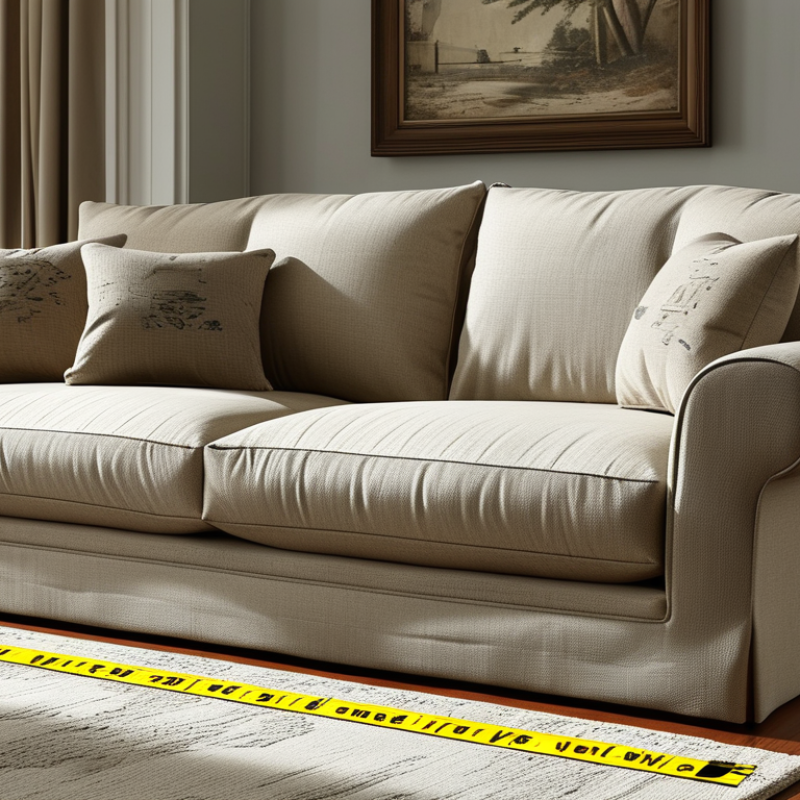
Choosing the right sofa for your living room can be a daunting task. It's not just about aesthetics; it also requires careful consideration of size and space. You might wonder, "How to choose the right sofa size for my living room?" Understanding your room's dimensions is crucial. Measure the available space and consider the layout. This helps avoid the disappointment of purchasing a sofa that overwhelms or underwhelms your area.
A perfectly sized sofa enhances comfort and flow. Don't get too focused on style alone. Prioritize the dimensions that work best for your living space. Consider how the sofa will be used. Will it host guests or serve as a cozy family nook? Reflect on these needs as you explore options.
Remember, it's okay to make mistakes during this process. Perhaps a too-large sofa crowded your room once. Learning from such experiences is essential. With careful thought and clear measurements, you'll discover how to choose the right sofa size, ensuring the perfect fit for your living room.
When choosing the perfect sofa size for your living room, understanding your space's dimensions is crucial. Measure the length and width of your room. Consider any architectural features, like windows and doors, that might restrict your sofa's placement. An accurate assessment will help you avoid the mistake of selecting a piece that overwhelms or underwhelms your space.
Tips: Visualize the sofa placement using masking tape. This simple trick allows you to see how much room your chosen size will occupy. Leave pathways of at least 18 inches around your sofa for comfort and movement. Ensure you account for other furniture too; overcrowding can make a living room feel smaller.
It’s easy to get swept away by style. However, dimensions should always be your priority. A stunning sofa can ruin a room's layout. Think about how the sofa will interact with other elements. Reflect on how the size contributes to the overall vibe. Balancing aesthetics with practicality leads to a more inviting space. So, keep your living room's dimensions in mind, and let that guide your choice.
Choosing the right sofa means knowing your style and how you plan to use it. A recent study from a leading home furnishing research group shows 72% of people want sofas that mix comfort and style. Think about whether you’ll use the sofa mainly for lounging, hosting guests, or working from home. Each function demands different features.
Modern living rooms often require versatile sofas. Sectionals work great for families but take up a lot of space. If your room is smaller, a loveseat or two-seater might serve better, allowing more walking space. Industry data suggests living rooms average around 250 square feet, so measuring your space is crucial. Sometimes we underestimate how much room a sofa occupies after factoring in walking paths.
Style preferences vary, but comfort remains a priority. Some pillows or chaise lounges add flair plus functionality. Remember, overly bulky designs can overwhelm your room. It’s easy to pick a sofa that looks good but feels awkward to use daily. That’s a common mistake. Take time testing options; your daily comfort is key even if it takes longer than expected.
Choosing the right sofa size for your living room is both an art and a science. Measuring accurately is crucial in ensuring both functionality and aesthetic appeal. Start by determining the available space. Use a measuring tape to find the width and depth of the area. Make note of any architectural features, like stairs or doorways, which could affect the sofa's fit. If the space feels tight, consider opting for a sectional or a smaller loveseat rather than a full-size couch.
While it’s tempting to go big for that luxurious look, a sofa too large can overwhelm a room. Conversely, a small sofa may feel lost in a spacious area. To visualize the size, you can use painter's tape to outline the sofa's dimensions on the floor. This technique helps understand how much room is available and how the layout will flow.
Don’t forget to account for traffic patterns. Leave at least 30 inches of walkway space around the sofa. This ensures smooth movement throughout the room. Then, think about the height and style; a lower-profile sofa can create an open feeling in small spaces. Each choice comes with its own set of trade-offs. Balancing comfort, aesthetics, and functionality is vital.
This bar chart illustrates the recommended sofa sizes based on the dimensions of a living room. The sizes are categorized based on the square footage of the room to help you choose the perfect sofa that complements your space.
When selecting a sofa size, room flow and traffic patterns are crucial. A well-planned layout enhances comfort and functionality. According to the American Society of Interior Designers, 65% of homeowners prioritize flow when arranging furniture. This statistic underscores the importance of considering how people move through the space.
Start by measuring the pathways in your living room. Ideally, leave at least 18 inches of clearance between the sofa and coffee table. This allows for easy movement. Document the locations of doors and windows, ensuring your sofa placement doesn’t block them. Aim for a cozy but accessible environment; overcrowded spaces can lead to frustration.
Take note of the room's shape. For narrow spaces, a sectional might be more suitable. It creates a sense of closure while providing ample seating. In contrast, larger rooms may benefit from multiple seating arrangements. Remember to assess your lifestyle. If you frequently entertain, opt for a larger sofa that can accommodate guests. An oversized sofa in a cramped space might feel overwhelming. Balancing size and function is essential for a harmonious living area.
Choosing the right sofa for your living room involves understanding your seating capacity requirements. Data shows that the average living room typically accommodates 5 to 7 people. Knowing how many guests you usually host can guide your selection process. If you often entertain, consider a larger sectional or a sofa with a chaise.
In terms of dimensions, a standard three-seater sofa measures about 78 to 88 inches in length. This size allows for comfortable seating for three adults. However, if space is tight, a loveseat or a combination of smaller seating options may work better. According to industry experts, allowing 24 to 36 inches of space around the sofa promotes a comfortable flow in the room.
Reflecting on personal habits can also influence your choice. Do you often curl up with a book alone, or do you gather friends for movie nights? Each scenario benefits from different sizes and configurations. A multi-functional piece, like a sleeper sofa, may provide the flexibility you need. Balancing practicality with aesthetics is crucial for a well-furnished living room.
| Room Size (sq ft) | Recommended Sofa Size (inches) | Seating Capacity | Style Compatibility |
|---|---|---|---|
| 100-150 | 72-84 | 3-4 | Compact, Modern |
| 150-250 | 84-96 | 4-5 | Traditional, Transitional |
| 250-350 | 96-108 | 5-6 | L-Shaped, Sectional |
| 350+ | 108-120 | 6+ | Stylish, Luxurious |
: Use a measuring tape to find the length and width of your room.
Account for doors and windows that may affect sofa placement.
Use masking tape to outline the sofa's dimensions on the floor.
Leave at least 18 inches of space for pathways around the sofa.
Yes, an oversized sofa can overwhelm a small space.
A sectional sofa can create a cozy layout in narrow areas.
Room flow affects comfort; prioritize easy movement through the space.
Overcrowding can make the room feel smaller and frustrating to navigate.
Dimensions should take priority; a beautiful sofa may disrupt the layout.
If you entertain often, opt for a larger sofa for accommodating guests.
When considering how to choose the right sofa size for my living room, it’s essential to start by understanding the dimensions of your space. Measure the area where the sofa will be placed, taking into account both length and width, as well as height. Next, identify your desired style and functionality—whether you prefer a sectional, a loveseat, or a traditional couch—this will influence the dimensions you are looking for.
Measuring accurately is key; use measuring tape and note any fixed furniture or architectural features that could affect sofa placement. Additionally, consider room flow and traffic patterns to ensure the sofa does not obstruct movement. Finally, assess your seating capacity needs based on your lifestyle and the number of people you typically host. By following these guidelines, you can confidently choose the perfect sofa size that enhances both comfort and aesthetics in your living room.
Govind Sofa