Choosing the right furniture for your space can be challenging. A common question arises: "What is the difference between a sofa and a sectional sofa?" Sarah Johnson, an interior design expert, emphasizes, "Understanding your space and needs is key to making the right choice."
Sofas are typically straight and fit well in smaller areas. They offer a classic look and can enhance the elegance of any room. In contrast, sectionals have various configurations. They are versatile and ideal for larger spaces, providing ample seating.
When deciding, consider your lifestyle. If you entertain guests often, sectionals might suit your needs better. However, if your area is compact, a sofa could be the perfect fit. Both options have unique advantages and challenges that merit reflection. Choose wisely to create a space that feels both functional and welcoming.
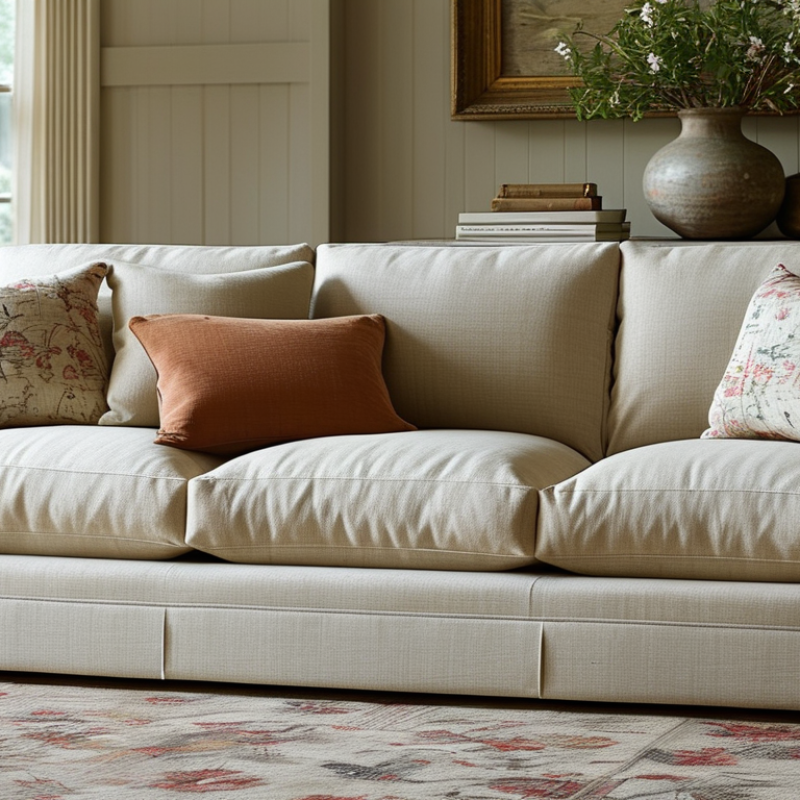
When considering seating options, the differences between sofas and sectional sofas are significant. A standard sofa typically seats three people and fits comfortably in smaller rooms. Data from the American Home Furnishings Alliance indicates that nearly 60% of living areas in urban homes utilize standard sofas due to space constraints. These versatile pieces come in various styles, ensuring they can fit diverse decors.
Conversely, sectional sofas offer more flexibility. Often larger, they can be configured to suit your space, making them ideal for families. According to a recent survey by the National Furniture Retailers Association, 70% of families prefer sectionals for their ability to create an inviting atmosphere. However, they require ample space. Buyers must assess room dimensions carefully before choosing a sectional, as it may overwhelm smaller areas. Understanding your lifestyle can guide your decision. You might love sectionals’ seating capacity but struggle with placement in compact spaces.
When selecting a sofa or sectional, room layout plays a crucial role. Consider the dimensions of the space. Measure your room, accounting for doorways and windows. How people move in the space is vital. A large sectional may crowd a small living area. Ensure there is enough room for easy movement.
Think also about the function of the space. Is it for entertaining guests or family relaxation? A sectional may create a cozy atmosphere for gatherings. Alternatively, a sofa can offer a more formal look. Observe how the chosen piece fits within the existing decor. The right design enhances the overall aesthetic.
Don’t rush into a decision. Live with the idea of the sofa or sectional in your mind for a while. Visualize how it interacts with other furniture. Sometimes the perfect fit isn’t what you assumed. Reflect on your needs and the space itself. This will lead you to a better choice.
When choosing a sofa or sectional sofa, style and aesthetic are paramount. The right piece can enhance a room's overall ambiance. According to a report from Statista, 43% of consumers prioritize design when selecting furniture. This statistic underscores the importance of visual appeal.
Different designs evoke different feelings. For instance, a modern sofa’s clean lines may create a minimalist vibe. In contrast, a plush sectional can add comfort and warmth. Industry experts suggest opting for neutral colors to maintain versatility. However, favorites like bold patterns can personalize the space.
Yet, achieving a harmonious look can be challenging. An ill-fitting sofa may clash with room proportions. Furthermore, the choice of fabric influences both style and maintenance. Velvet is luxurious, but may require more care. A balance between aesthetics and practicality is essential.
When choosing a sofa or sectional for daily use, comfort and functionality are paramount. A well-designed sofa should offer more than just a place to sit. It needs to adapt to your lifestyle. Consider factors such as material, cushioning, and flexibility. For instance, a soft fabric can invite relaxation, while firm seating supports good posture.
Think about the layout of your space. An L-shaped sectional can fit perfectly in a corner, maximizing seating without cluttering the room. However, it may limit access to certain areas. Assess the flow of your home. Is it friendly for gatherings? Open designs promote interaction. On the flip side, consider individual comfort. A design might look appealing but fail to accommodate varied body types.
Don’t overlook maintenance. Some materials are easier to clean than others. That’s crucial for everyday use, especially in households with pets or children. Choosing the wrong fabric could lead to frustration down the line. Reflect on your lifestyle needs before making a decision. It’s not just about aesthetics; practicality matters.
Choosing a sofa or sectional sofa involves more than aesthetics. It’s a financial decision too. When exploring budget options, it’s crucial to consider materials. Upholstery choices impact both appearance and longevity. A cheaper fabric may look good initially, but it can fray or stain easily. Investing in quality materials, while pricier, often pays off in durability.
Long-term investment value should not be overlooked. Sofas can last for many years if chosen wisely. A well-constructed sectional, for example, can withstand daily wear and tear. It provides comfort and style, enhancing your living space. However, some might find themselves drawn to low-cost alternatives only to regret their choice later. Regularly maintaining furniture, like vacuuming or spot cleaning, is another key factor.
Think about the functionality too. Will the sofa be used for lounging or entertaining? Your lifestyle should influence the choice. Assess your needs honestly. It’s easy to get caught up in trends, but a practical approach leads to smarter purchases. Ultimately, balancing immediate expenses with future benefits is essential in selecting the right piece for your home.
| Sofa Type | Price Range | Durability (Years) | Versatility | Comfort Level |
|---|---|---|---|---|
| Standard Sofa | $300 - $1500 | 5 - 10 | Low to Moderate | Medium |
| Sectional Sofa | $600 - $3000 | 7 - 15 | High | High |
| Sleeper Sofa | $400 - $2000 | 4 - 8 | Medium | Medium |
| Reclining Sofa | $500 - $2500 | 6 - 12 | Moderate | High |
: A sofa typically seats three people and is suitable for smaller spaces. Sectional sofas are larger and more flexible in configuration.
Sectional sofas can accommodate more people and create an inviting atmosphere. About 70% of families prefer them for this reason.
Assess your room's dimensions carefully. Sectionals require more space and could overwhelm smaller areas if not chosen wisely.
The upholstery affects both appearance and durability. Cheaper materials may fray or stain, while quality options offer better long-term value.
Low-cost sofas might look appealing initially but often lead to regrets. Investing in sturdier options typically pays off in the long run.
Your needs dictate whether to choose a sofa for lounging or entertaining. An honest assessment can help lead to smarter choices.
Regular maintenance, like vacuuming and spot cleaning, is vital for keeping furniture in good condition over time.
Yes, balancing immediate costs with future benefits is crucial. This ensures that the piece you choose will serve you well long-term.
While mixing styles can add character, ensure they complement each other. Otherwise, it may create a disjointed look in your space.
Choosing the right seating for your living space often leads to the question: "What is the difference between a sofa and a sectional sofa?" Sofas are typically more traditional in design, offering a fixed shape that fits well in smaller areas, while sectional sofas provide versatile seating arrangements perfect for larger rooms or open layouts. Understanding space requirements is crucial, as both types come with distinct dimensions that can significantly influence how a room feels and functions.
In addition to spatial considerations, style and aesthetics play a vital role in your selection process. Depending on your interior design style, you may prefer the sleek lines of a sofa or the casual, adaptable nature of a sectional. Comfort and functionality are paramount, particularly for everyday use, making it essential to evaluate how each type meets your lifestyle needs. Lastly, analyzing budget options and long-term investment value will help ensure that your choice supports both your current and future living arrangements.

Govind Sofa