Finding the perfect reading chair can transform your reading experience. How to choose a comfortable reading chair? It's a question many face, especially with so many options available. A good chair is more than just a seat; it’s a sanctuary where you can get lost in stories.
When selecting your chair, consider comfort and support. Look for cushions that feel plush yet firm. The right height is essential for maintaining good posture. You want your feet flat on the ground. Fabric choice matters too; soft materials can enhance coziness.
However, the journey to finding that ideal chair comes with challenges. What feels perfect in the store may not translate to home. Test different models and envision how they will fit your space. Don’t shy away from exploring second-hand options; they can offer surprising comfort. Ultimately, your ideal chair should invite you to read more, encouraging those quiet moments spent with a book.
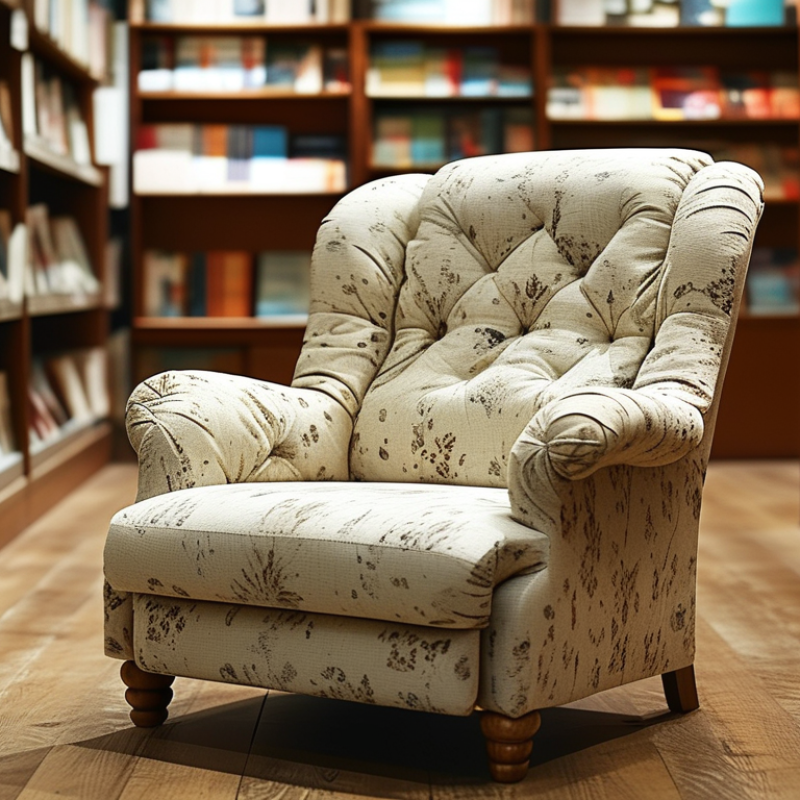
Choosing a comfortable reading chair is vital for a pleasurable reading experience. Research shows that poor seating can lead to discomfort and reduced focus. According to a report by the American Chiropractic Association, about 80% of people experience back pain at some point. This highlights the importance of investing time in selecting the right chair.
When choosing a reading chair, consider factors such as material and support. A high-back design promotes better posture. Cushioned seats enhance comfort, yet they should not be too soft, which may lead to sinking and discomfort over time. Ergonomic chairs can help reduce strain, especially during extended reading sessions.
Tip: Test the chair before buying. Sit for at least 10 minutes to see how it feels. Is it too firm or too soft? Does it support your lower back? Additionally, ensure that the height allows for feet to rest flat on the floor.
Lighting is another aspect to think about. Ensure your reading area is well-lit to minimize eye strain. A well-designed chair combined with the right lighting can significantly enhance your reading comfort. Avoid narrow spaces; they can feel cramped and uncomfortable.
Reading should be enjoyable, not painful. A few moments spent choosing the right chair can make all the difference.
Choosing a comfortable reading chair involves considering several key features. First, think about the chair's height and depth. It should support your back without straining your neck. A deep seat can be cozy, but it may also make you feel lost in the chair. Adjustability is essential. A chair that tilts or has a reclining feature can enhance your comfort while you read for hours.
Material is another important element. Soft fabrics like cotton can feel inviting, while leather offers a sleek look. However, leather can get hot in summer. Ensure the chair is breathable and conducive to long reading sessions. Additionally, check if the chair has adequate support for your legs and arms. An ideal chair allows you to read without fidgeting, which leads to a more enjoyable experience.
Lastly, don’t overlook the chair’s aesthetics. A visually appealing chair can enhance your reading nook. It should harmonize with the rest of your space. But remember, style shouldn't compromise comfort. Be aware of your preferences as well. Trying different chairs can help you identify what feels right. Your choice may evolve over time. Reflect on your experiences to make the best decision for your reading adventures.
Choosing a reading chair isn't just about style; it's about comfort and durability. The materials used can greatly impact your experience. For instance, natural fibers like cotton and linen are breathable, making them perfect for long reading sessions. They feel soft against the skin and create a cozy atmosphere. However, these materials can stain easily. Regular cleaning is essential to maintain their appearance.
Leather is another option. It adds a touch of elegance and is easy to clean. Plus, high-quality leather can last for years. Yet, it can feel hot in summer and cold in winter. A balance between functions, such as breathable upholstery and sturdy frameworks, is crucial. A chair should also support your back properly. When you read for hours, comfort is paramount.
Consider also the chair’s structure. A well-designed chair should provide proper lumbar support. Look for chairs with adjustable features. They must accommodate various postures. Think about your habits. Do you curl up or sit straight? Finding the right chair can take time and effort, but the right materials and structure make all the difference.
Creating a comfortable reading space involves careful attention to design and aesthetics. The chair's style should complement the room. Consider colors that evoke calmness, like soft greens or blues. Natural materials add warmth. A wooden chair might enhance a cozy feel. The overall theme of your space can influence your chair choice.
Think about how the chair interacts with your surroundings. Is there a small side table nearby for your drink? Good lighting is vital. A reading lamp can create a focused area. It helps reduce strain on your eyes. Also, ensure enough space around the chair. You want to move freely without feeling cramped.
Don’t overlook textile choices. A soft fabric can invite you to linger longer. Consider cushions for added comfort. These small details can transform the atmosphere. Reflect on what makes you feel at ease. A chair might look great, but if it doesn't feel right, it could ruin your reading experience. The perfect reading space should blend function and style while reflecting your personal taste.
Choosing the right reading chair often hinges on balancing cost and quality. Investing in a quality chair can significantly enhance your reading experience. A report by the American Home Furnishings Alliance highlights that consumers typically spend between $200 to $600 on a well-made chair. This price range generally provides a good mix of comfort and durability.
Comfort is paramount. Many users find that spending a bit more on ergonomic designs pays off. According to research from the Furniture Today publication, 75% of consumers prefer chairs that support proper posture. A sturdy frame and high-density foam can lead to better support and longevity. Yet, it’s important to remember that a higher price doesn’t always guarantee comfort or the right fit for your body.
Finding the right chair may require trial and error. Many people underestimate how essential it is to test a chair personally. A desk chair might feel comfortable in the showroom but become uncomfortable during long reading sessions. In fact, a study by the International Journal of Industrial Ergonomics notes that over 60% of individuals experience discomfort when the chair doesn’t match their body type. Therefore, taking the time to find a chair that aligns with your specific needs is critical.
: Look for height, depth, and adjustability. A comfortable chair should support your back and neck.
Material affects comfort. Soft fabrics are inviting, while leather can get hot. Choose breathable options for longer sessions.
Yes, a visually appealing chair enhances your space. However, comfort should remain the priority in your choice.
The chair should match the room's style and colors. It should create a calm atmosphere.
Good lighting, like a reading lamp, reduces eye strain. It creates a focused area for better reading.
Investing in quality can enhance comfort and support. A sturdy chair often lasts longer and feels better.
Test chairs personally before buying. Many people find discomfort arises when chairs don't fit their body type.
Yes, cushions can add comfort. Small details significantly improve your reading experience.
Yes, many do. Adjustments may be needed to find the right fit for your body. It's a process.
Yes, a stylish chair might look good but feel uncomfortable. Prioritize comfort when selecting your chair.
When considering how to choose a comfortable reading chair, it's essential to understand its significance in creating an ideal reading environment. A well-chosen reading chair can enhance focus and relaxation, making long reading sessions enjoyable. Key features to look for include ergonomic design, adequate support for the back, and adjustable aspects that cater to personal preferences.
Materials play a crucial role in durability and comfort, with options ranging from soft upholstery to cushioned seating. Additionally, design and aesthetic should align with the overall decor of your reading space, contributing to a soothing atmosphere. Finally, it's vital to budget wisely, balancing cost with quality to ensure lasting satisfaction in your reading chair choice. Consider these aspects to create a cozy nook that invites you to lose yourself in a good book.

Govind Sofa