When it comes to creating a pet-friendly home, choosing the right materials is essential. Pet owners often struggle with furniture and décor that can withstand the wear and tear of furry companions. So, what type of fabric is best for homes with pets? The answer isn't straightforward. Many factors play a role, including durability, ease of cleaning, and aesthetic appeal.
Consider fabrics like microfibers and canvas. These materials are tough yet soft, making them perfect for households with playful pets. Additionally, treatments can enhance stain resistance, a key feature for pet owners. However, not all fabrics are created equal. Sheer materials or delicate textiles can quickly show the effects of claws and fur.
It’s also important to reflect on personal tastes. A fabric that offers maximum durability may not align with your style. Finding the right balance between beauty and practicality can be a challenge. Mistakes in fabric choice can lead to frustration and financial loss. Therefore, making informed decisions based on reliable information is critical for any pet-friendly home.
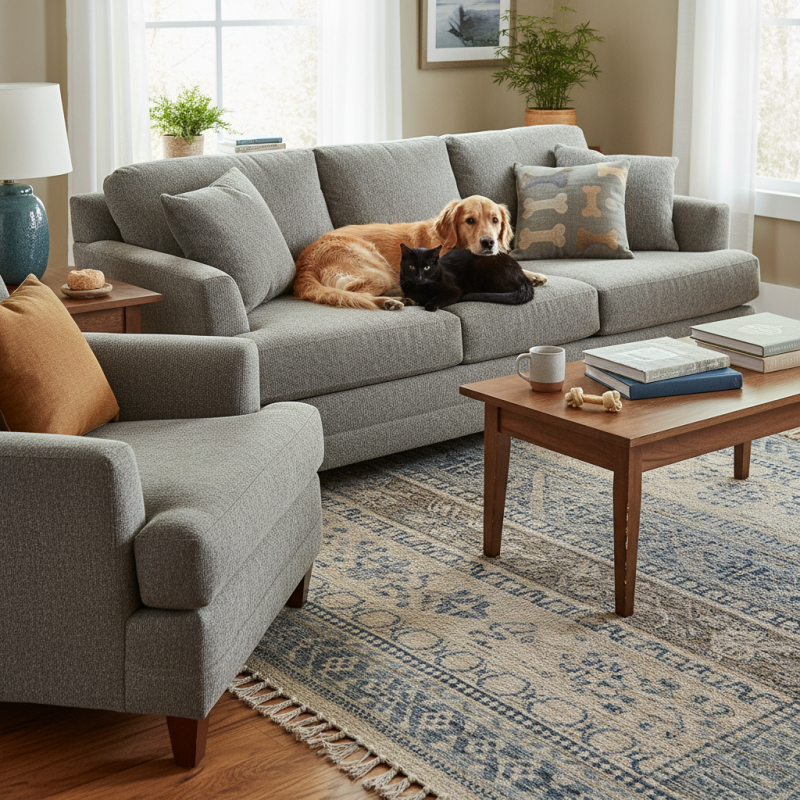
Understanding the Needs of Pet Owners When Choosing Fabrics
Choosing the right fabrics for a pet-friendly home involves understanding the unique needs of pet owners. Pet owners often face challenges such as stains, odors, and damage from claws. Research indicates that over 70% of households in the United States own pets. This statistic underlines the need for durable and easy-to-clean materials in homes where pets reside.
When selecting fabrics, consider textures and colors that can withstand wear and tear. Microfiber and polyester are two popular choices. They resist stains and are often easier to clean than natural fibers. A 2019 study showed that synthetic fabrics have a higher resistance to pet-related damage. These fabrics can also be treated to repel pet hair, making maintenance simpler. However, some natural fabrics like cotton might be preferable for comfort and breathability, even if they’re less durable.
It's crucial to test fabric samples in your home. Each pet reacts differently to various materials. Some pets may scratch or chew on certain textures, while others may leave hair embedded in them. Not every fabric will hold up well against your specific pet’s habits. Experimenting with different options can reveal the best match for your lifestyle. Ultimately, monitoring the fabric's performance and durability can provide insights into what truly works for your home and pets.
Best Pet Friendly Fabrics for Homes
Types of Fabrics That Are Durable and Stain Resistant
When selecting fabrics for a pet-friendly home,
durability and stain resistance are key factors. According to industry reports, around
30% of households have pets.
Consequently, the demand for robust fabrics has surged. Popular pet-friendly options
include microfiber, canvas, and outdoor fabrics.
These materials are known for their strength and easy maintenance. Microfiber can resist
stains and withstand wear, making it ideal for high-traffic areas.
Stain-resistant treatments can enhance fabric performance. A study by the
Amercian Cleaning Institute indicates that 90% of pet owners face cleaning challenges.
Fabrics treated with stain repellents repel food and pet stains effectively. In many
cases, even normal cleaning methods suffice to keep them looking new. Pet owners should
consider textures too. Fabrics with tighter weaves tend to be less susceptible
to snags and tears from claws.
Choosing the right fabric also involves trade-offs. Some high-performance materials may
lack the softness of traditional textiles. Others may not be as breathable, potentially
affecting comfort. Homeowners must balance aesthetics and functionality.
Conducting thorough research can help in making informed decisions. Understanding
the characteristics of various fabrics will ultimately lead to a more harmonious
living space with pets.
Evaluating the Comfort and Safety of Pet Friendly Fabrics
When choosing pet-friendly fabrics, comfort and safety should be top priorities. Pets spend a lot of time lounging and playing on furniture. You want materials that can withstand their activity while still feeling good. Look for fabrics that are soft yet durable. Options like microfiber or canvas often stand up to wear and tear.
Safety is equally important. Avoid fabrics treated with harmful chemicals. Natural fibers such as cotton and linen can be safer choices. These materials often breathe well, ensuring comfort for your pets. However, they might stain easily. Consider how often you'll need to clean these fabrics.
Maintenance also matters in the long run. Some fabrics can be machine washed, while others require special care. Think about how much time you want to spend cleaning versus enjoying your time with your pets. Choosing the right fabric is a balancing act between aesthetics and practicality. Each choice has its pros and cons. Reflect on what works best for your home and lifestyle.
Maintenance Tips for Keeping Pet Friendly Fabrics Clean
Maintaining pet-friendly fabrics can be challenging but rewarding. Regular vacuuming is your best first step. It removes hair and dander, which reduces allergens in your home. Aim to vacuum at least once a week, or more often in high-traffic areas.
Accidents happen, even with the best pets. When faced with stains, act quickly. Blot the area with a clean cloth to absorb moisture. Avoid scrubbing, which can damage the fabric’s fibers. Instead, use a mild soap solution to gently dab the stain. Rinse with a damp cloth and let it air dry.
While many pet-friendly fabrics resist stains and odors, it's essential to choose the right cleaning products. Harsh cleaners can wear down the material over time. Look for gentle, pet-safe alternatives. Also, remember to check care labels for specific instructions. Each fabric has its quirks, and understanding them can save you time and trouble in the long run.
Best Pet Friendly Fabrics for Homes - Maintenance Tips for Keeping Pet Friendly Fabrics Clean
| Fabric Type |
Durability |
Cleaning Method |
Stain Resistance |
Comfort Level |
| Microfiber |
High |
Spot Clean, Machine Washable |
Excellent |
Soft |
| Canvas |
Moderate |
Washable, Spot Clean |
Good |
Durable |
| Denim |
High |
Machine Washable |
Fair |
Comfortable |
| Synthetic Blends |
High |
Spot Clean |
Good |
Varies |
| Leather |
Very High |
Wipe Clean |
Excellent |
Luxurious |
Trends in Pet Friendly Fabric Choices for Modern Homes
When selecting fabrics for homes with pets, recent trends emphasize
durability,
ease of cleaning,
and aesthetic appeal.
According to the 2023 Interior Design Survey, over
70% of homeowners
prioritize pet-friendly materials that withstand wear and tear.
Microfiber and polyester blends have become popular, as they resist stains
and are easily wiped clean. Additionally, more designers are opting for
textured weaves to mask potential pet damage while maintaining a stylish appearance.
Tips: Choose tightly woven fabrics. They hold up better
against clawing and chewing. Darker colors can help hide stains
from muddy paws. Always check for warranties that cover pet-related damage.
Sustainable choices are gaining traction too. Eco-friendly fabrics, such as
organic cotton or recycled materials, are preferred by
45% of pet owners,
according to the Eco-Friendly Textile Report. These options
not only reduce environmental impact but also offer comfort and safety for
your furry friends. However, it's crucial to verify the
non-toxic nature of any fabric.
Some "natural" materials may still contain harmful chemicals.
Tips: Test your fabric under different conditions. Make
sure it can endure your pet's activities. Factor in maintenance costs
when deciding on the fabric type.
FAQS
: Microfiber and polyester are popular choices. They resist stains and are easier to clean.
Test fabric samples at home. Pets react differently to various materials.
Vacuum at least once a week. More often in areas with heavy pet activity.
Blot the stain with a clean cloth. Avoid scrubbing to prevent damage.
No, use gentle, pet-safe cleaners. Harsh chemicals can harm the fabric.
Some natural fabrics like cotton offer comfort. They are less durable, though.
Conclusion
When considering "What type of fabric is best for homes with pets?", it's essential to understand the specific needs of pet owners. Fabrics should be durable, stain-resistant, and easy to clean, ensuring that they can withstand the wear and tear of pet life. Commonly recommended types include microfiber, leather, and canvas, which not only resist stains but also provide comfort and safety for pets and their owners alike.
In addition to choosing the right fabric, maintaining these materials is crucial. Regular cleaning and proper care can help preserve the appearance and longevity of pet-friendly fabrics. Current trends in pet-friendly upholstery also focus on aesthetic appeal while meeting functional requirements, allowing for a stylish yet practical living space. By considering these factors, pet owners can create a home that is both welcoming for their furry friends and comfortable for themselves.

 Govind Sofa