Arranging a sectional sofa in a small living room presents unique challenges and opportunities. According to the American Institute of Architects, nearly 70% of homeowners prioritize maximizing space in their living areas. Understanding how to arrange a sectional sofa in a small living room can significantly enhance both functionality and aesthetics.
Choosing the right configuration is crucial. Not all sectionals are created equal; some can dominate a space, making it feel cramped. In fact, recent studies highlight that effective furniture arrangement can make a room appear 20% larger. Consider using angles and boundaries to create a flow that feels open rather than confined.
One common oversight is neglecting the importance of scale. A large sectional can overwhelm a small room, while a too-small sofa may lead to a disjointed look. It's essential to balance size and placement for a cohesive design. Think about traffic patterns and visual weights. Often, the best results come from experimentation and tweaking plans based on real-life experience. How to arrange a sectional sofa in a small living room is often answered through trial, error, and creativity.
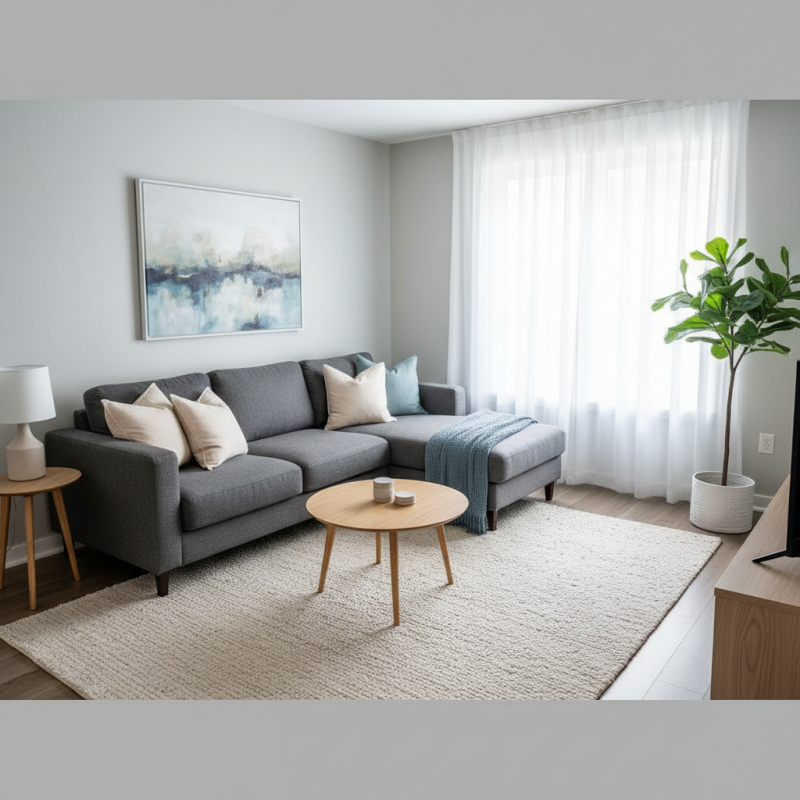
Choosing the right sectional sofa for small spaces can be a challenge. A study from the National Association of Home Builders reveals that around 55% of homebuyers prefer open floor plans, making efficient use of space essential. When selecting a sectional, prioritize compact designs. Consider sectionals with modular components. These versatile sofas can be rearranged based on your needs.
Opt for lighter colors, as they create an illusion of space. A beige or light gray sectional can brighten a small living room, making it feel more open. According to a report from the American Home Furnishings Alliance, functionality is crucial. Look for sectionals with built-in storage. They provide both comfort and utility in tight spaces.
**Tip:** Measure your room and visualize the layout. Use painter’s tape to outline the sofa’s dimensions on the floor. This helps you grasp how the piece fits with your living area.
Assess the depth of the sofa. A depth of less than 35 inches can contribute to a more spacious feel. Pay close attention to the sofa’s arms. Slim or armless designs allow for more seating without overwhelming your space. You may find it beneficial to experiment with different configurations before committing.
This chart represents the importance ratings of various factors when selecting a sectional sofa for small living rooms. Each factor is rated on a scale of 1 to 10, with comfort being the most important consideration.
Measuring your living room correctly is essential for optimal sectional sofa placement.
According to a survey by the American Home Furnishings Alliance,
63% of homeowners struggle with fitting furniture in small spaces. Start by measuring the length and width of your room.
Use a tape measure to capture accurate dimensions. Consider any architectural features, like windows or doors, that might impact your layout.
Once you have the measurements, visualize different configurations.
You can use apps or graph paper for this task. A sectional sofa can take up significant space,
so it's crucial to account for walking paths. The National Association of Home Builders
suggests at least 24 inches of clearance around furniture for comfortable movement.
If your sofa occupies corners or has a chaise, make sure it aligns with your living room flow.
Consider the scale of your sectional too. A smaller sofa can make a room feel larger.
However, overstuffed or oversized models can overwhelm the space. An industry report indicates that
effective layout choices enhance the perception of space in small areas. Reflect on your design;
sometimes, the perfect sofa is not what you initially envisioned.
Arranging a sectional sofa in a small living room requires careful planning. Start by assessing the room's dimensions. Measure your sofa and the available space. Keep in mind that leaving some walking space is essential. Aim for at least two feet of clearance. This creates an open feel and prevents the space from appearing cramped.
Consider the flow of the room. Position the sectional to define distinct areas. For instance, place it to face a focal point like a TV or a fireplace. Use rugs to visually separate areas. A small rug can anchor the sofa, making the space feel cozy. Be mindful that a poorly placed sectional can hinder movement. If you find it obstructs pathways, rethink its position.
Accent the arrangement with complementary furniture. A small coffee table can enhance functionality. Ensure it is within reach but doesn’t block access. Adding smaller side tables can offer extra surfaces without overwhelming the space.
Lighting also plays a significant role. Use lamps or ceiling lights to brighten corner areas. An imbalanced lighting scheme can make your living room feel smaller than it is. Balancing these elements is key. Experiment with different layouts until you find what works best for you.
Arranging a sectional sofa in a small living room can be tricky. Balancing other furniture is key for flow and functionality. Start by placing the sectional against a wall or in a corner. This maximizes space and keeps the room open. Use an area rug to define the seating area. It creates a cozy vibe and visually ties the furniture together.
Incorporate a coffee table that is low-profile. Consider a round shape to soften the room's lines. Side tables can provide additional surfaces for drinks or decor. Keep them lightweight so they can be moved easily. A comfortable armchair can complement the sectional. Place it diagonally across from the sofa. This configuration encourages conversation and makes the space feel inviting.
Adding shelves or a slim console can enhance the room's storage. Decorate these with books or plants for added personality. It’s essential to leave enough walking space. Remember, too much furniture can overwhelm the area. Reflect on the arrangement regularly. Move pieces around to see what feels right. The goal is a space that feels both stylish and functional.
In a small living room, maximizing space is crucial. One effective strategy is to incorporate furniture that offers storage solutions. For instance, choose a sectional sofa with built-in storage compartments. This allows you to stow away items like blankets or books, keeping the area tidy and functional.
Consider using multifunctional furniture. An ottoman can serve as both a coffee table and a storage unit. Look for options that open up to reveal ample space inside. This not only adds to the decor but also provides practical use. Additionally, floating shelves can be installed on walls to display decor or books, freeing up precious floor space.
It's important to be mindful of your choices. Overcrowding can make a small room feel claustrophobic. Sometimes, less is more when it comes to decor. Reflect on what you truly need. Prioritize essential items that enhance comfort and functionality while maintaining an airy feel. Balancing aesthetics and practicality can turn a small living area into a cozy retreat.
: Focus on compact designs and modular components. They can adapt to your needs.
Lighter colors like beige or light gray create an illusion of space and brightness.
Functionality helps maximize space. Look for sectionals with built-in storage for better utility.
Use painter’s tape to outline the sofa’s dimensions on the floor. This shows how it fits.
A depth of less than 35 inches helps keep a spacious feel in the room.
Yes, they allow for more seating without overwhelming your living area’s design.
Choose multifunctional furniture, like ottomans that serve as tables and storage units.
Be selective. Too many items can create a cluttered feel. Less can be more.
Balance aesthetics and functionality. Keep essential items that enhance comfort without overcrowding.
They display decor or books while freeing up floor space, contributing to a cleaner look.
When considering how to arrange a sectional sofa in a small living room, it's essential to start by choosing the right sectional that fits your space without overwhelming it. Be sure to measure your living room to identify optimal sofa placement that maximizes functionality while maintaining comfort. Once you have your sectional in place, design a layout that fosters easy movement and promotes a welcoming atmosphere.
Incorporating other furniture pieces can enhance balance and flow within the room, while ensuring that everything serves a purpose. Additionally, utilizing storage solutions can help keep your small living room organized and clutter-free, allowing your sectional sofa to be a focal point without compromising on space or style.

Govind Sofa